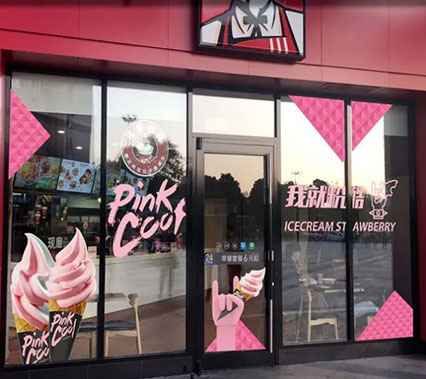
A retail storefront works around the clock even when the doors are locked. Passersby form an opinion about a shop within a few seconds of walking past its glass frontage, and that opinion is shaped almost entirely by what covers the window: how clear it is, how much heat and glare it blocks, and whether the graphics on it communicate anything useful. Retailers who treat the window as empty glass are giving up one of the cheapest and most visible advertising surfaces they own.
This article looks at four practical categories of storefront graphics and film -- window film, one way vision, floor graphics, and displays and light-box materials -- and explains how each one contributes to retail store window tint performance, storefront window tinting goals, anti graffiti wall protection, and general commercial window tinting uv protection outcomes. The goal is not to sell a single product but to explain how these surfaces work together as a system.
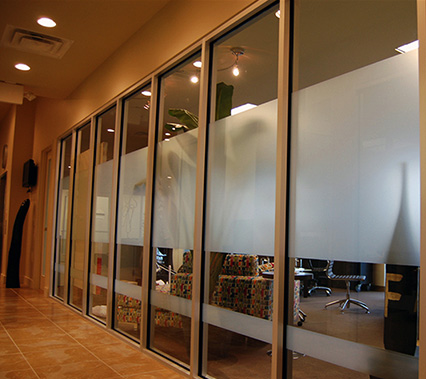
Every commercial window is doing three jobs simultaneously: letting in daylight, protecting the interior from heat and ultraviolet exposure, and acting as a marketing canvas. Balancing those three demands is the central design problem this article addresses, section by section, with data on visibility, durability, and customer behavior drawn from typical field measurements in retail environments.
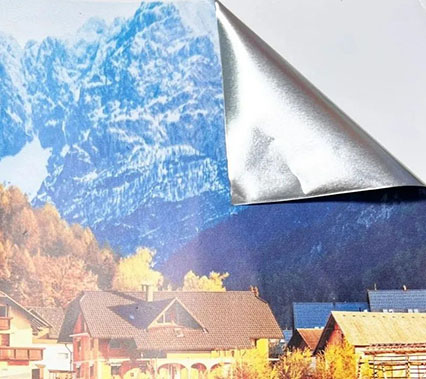
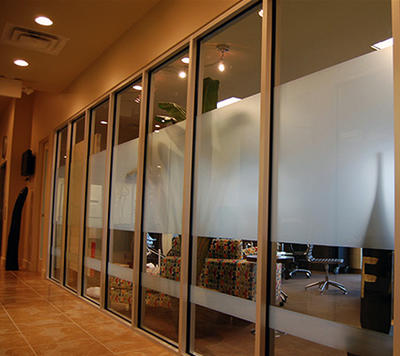
Merchandise fade is one of the most underestimated costs of an unprotected storefront. Fabrics, printed packaging, leather goods, and even flooring near the window can lose color saturation within a matter of months under direct sun exposure. Ultraviolet radiation is the primary driver of this fading, and ordinary glass blocks only a small fraction of it. A properly specified window film layer changes that equation substantially by filtering the wavelengths responsible for pigment breakdown before they ever reach the product on display.
Beyond UV protection for merchandise, window film also reduces solar heat gain, which lowers the load on air conditioning systems during warmer months. For commercial window tinting uv protection projects, the film is typically rated by the percentage of ultraviolet light it rejects rather than by visible light transmission alone, since a film can look nearly clear while still blocking the majority of damaging rays.
In practical terms, a shop window facing direct afternoon sun can lose noticeable print color from packaging or signage within a single season without any UV-blocking layer. Adding a mid-to-premium grade window film typically extends the usable display life of printed materials and merchandise several times over, while keeping the glass visually unchanged from the sidewalk.
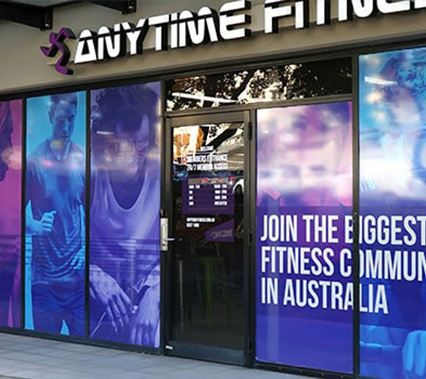
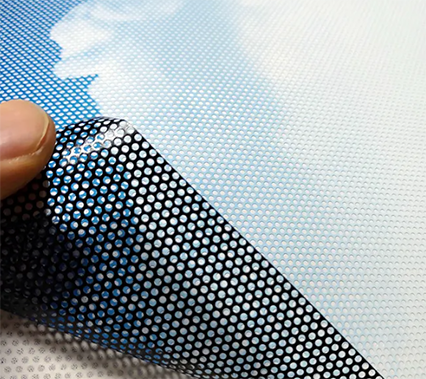
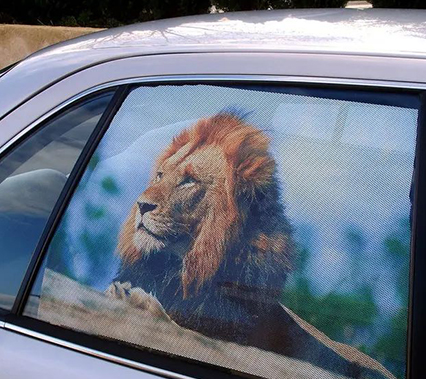
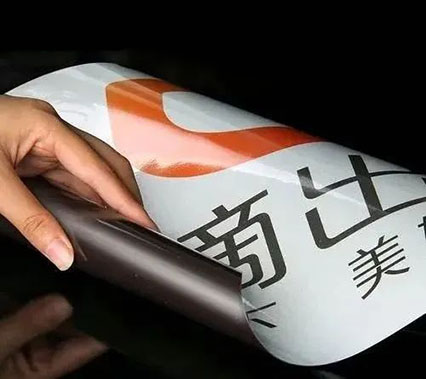
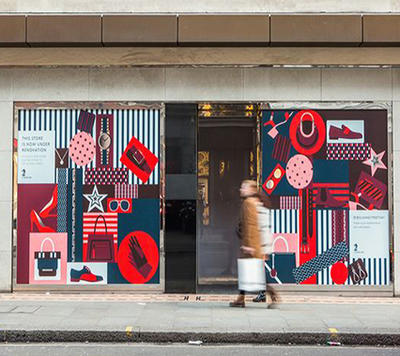
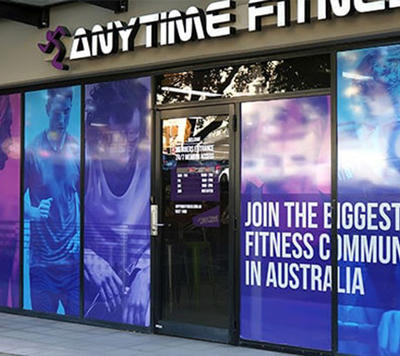
One way vision is a perforated film that carries a printed image on the outward-facing side while remaining semi-transparent from the inside looking out. It is widely used on retail store window tint projects where a brand wants full control over the exterior image -- a seasonal campaign, a product photo, or store hours -- without sacrificing natural light for staff working near the glass.
The effect changes with lighting conditions, which is worth planning for at the design stage. During daylight hours, the printed graphic dominates the view from outside while interior visibility stays soft and private. Once interior lighting exceeds exterior brightness, typically after dusk, the relationship reverses and the shop interior becomes more visible through the perforations, which is useful for evening storefront marketing.
This time-of-day shift means design decisions such as font size, contrast, and image cropping on one way vision graphics should be tested under both bright daylight and low-light conditions before full production, since a graphic that reads clearly at noon can look different once the lighting balance flips in the evening.
Floor graphics extend the same visual language used on the window into the physical path a customer walks. Because floor space is rarely used for marketing in most stores, a well-placed graphic at an entrance, along an aisle, or near checkout tends to draw attention precisely because it is unexpected. Retailers commonly use floor graphics for directional cues, promotional callouts, and safety markings such as queue spacing.
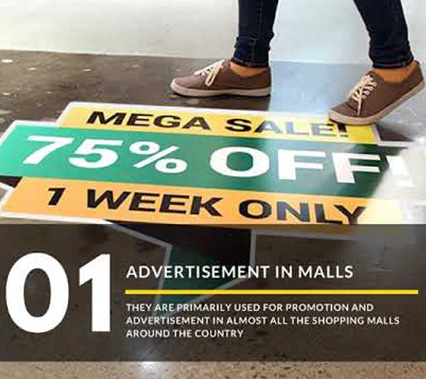
Checkout and entrance zones consistently register the highest engagement because they correspond to natural pause points, where a shopper is either deciding to enter or already waiting in line. Placing seasonal promotions or directional graphics in these zones tends to outperform the same graphic placed in a low-dwell area such as a back aisle.
Durability matters as much as placement. Floor graphics are subject to foot traffic, cart wheels, and cleaning chemicals, so material selection should account for slip resistance and wear rating rather than print quality alone. A graphic that looks sharp on day one but delaminates within weeks creates a worse impression than no graphic at all.
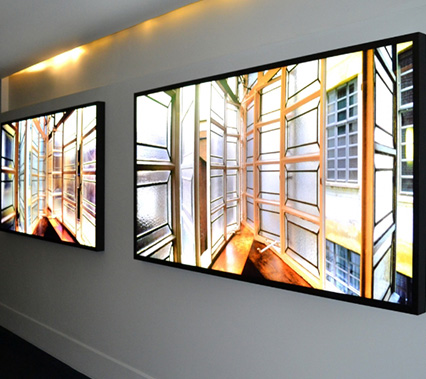
Displays and light-box materials solve a problem that printed film cannot: visibility after the sun goes down. A backlit graphic keeps a storefront legible and inviting during evening hours, which matters for retail corridors with meaningful foot traffic after dark, including transit-adjacent locations and mixed-use retail streets.
Choosing the right translucent substrate for a light-box is a balance between brightness diffusion and image sharpness. A material that diffuses light too aggressively can wash out fine text, while one that diffuses too little will show hot spots from the individual light sources behind it. For commercial buildings running light-boxes continuously, energy-efficient LED backlighting paired with a properly rated diffusion film tends to give the most consistent result over the life of the display.
Where a storefront also faces the risk of vandalism, an anti graffiti wall layer is often paired with the surrounding facade rather than the glass itself, protecting adjacent surfaces from paint and marker damage while the window continues to carry the primary graphic and lighting elements.
None of these four systems is a substitute for the others; each addresses a different part of the storefront experience. The radar comparison below scores each system on five practical attributes using a simple relative scale, based on typical commercial installations rather than any single product line.
Outer shape: window film system. Inner shape: floor graphics system, shown for comparison of durability versus branding flexibility.
| System | Primary Benefit | Typical Lifespan | Best Placement |
|---|---|---|---|
| Window film | UV and heat reduction | 5 to 10 years | Full glass panels |
| One way vision | Branded exterior imagery | 2 to 4 years | Storefront glass, doors |
| Floor graphics | Wayfinding and promotion | 3 to 12 months | Entrance, checkout |
| Light-box displays | Nighttime visibility | 5 to 8 years | Window recesses, facades |
Regardless of which combination of materials a retailer chooses, most successful projects follow a similar sequence. Skipping the assessment step is the most common cause of poor results, since glass type, orientation, and surface condition all affect which film or material will perform well.
Surface preparation is often underestimated. Dust, residue, or existing adhesive left on glass or flooring will shorten the working life of the new material regardless of how good the film or print itself is. A quality check after curing, checking for edge lift, bubbling, or misalignment, catches most installation problems while they are still easy to correct.
Most commercial-grade window films are rated for visible light transmission separately from UV rejection, so a film can block the majority of ultraviolet rays while keeping interior brightness close to that of untreated glass.
Yes, one way vision is designed as a removable overlay, which is why many retailers rotate it several times a year for seasonal promotions without affecting the glass or any base window film underneath.
Lifespan depends heavily on foot traffic volume and the laminate used, but a well-installed floor graphic in a busy entrance zone commonly needs replacement every three to six months, compared to closer to a year in lower-traffic areas.
Anti graffiti treatments are more commonly applied to adjacent facade surfaces such as metal, stone, or painted walls next to the storefront glass, since these areas are typically more vulnerable to lasting paint or marker damage than the window itself.
A light-box keeps the graphic legible and visually prominent after dark, which a standard printed poster cannot do without external lighting, making it especially useful for storefronts on streets with evening foot traffic.
COPYRIGHT ©2018 Shanghai Hanker Industrial Co., Ltd., ALL RIGHTS RESERVED.

 English
 简体中文
简体中文