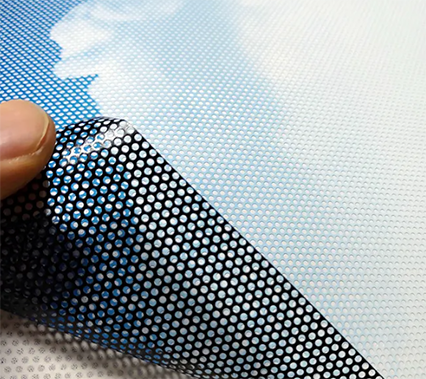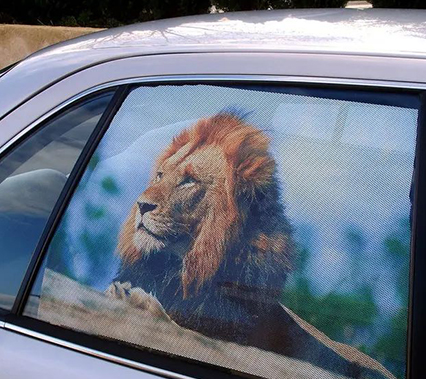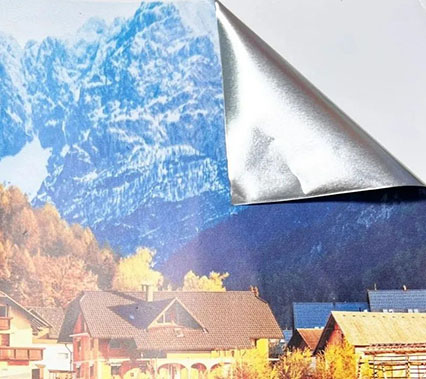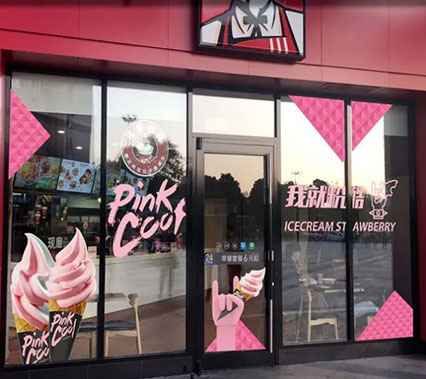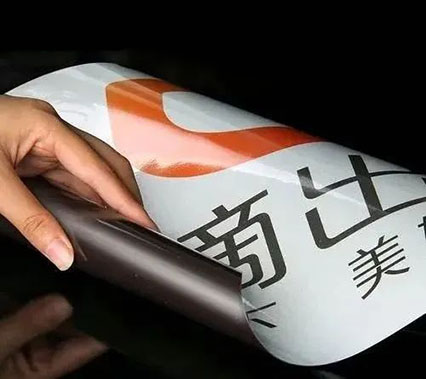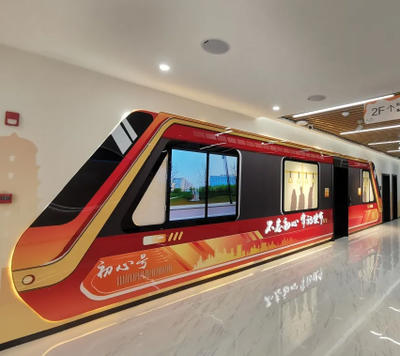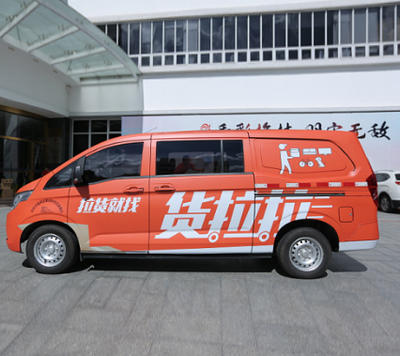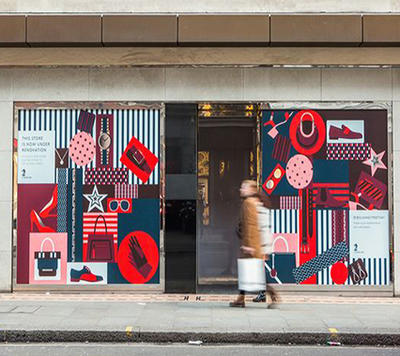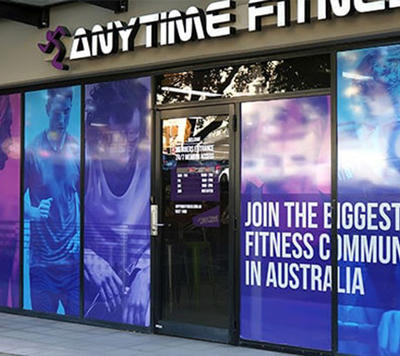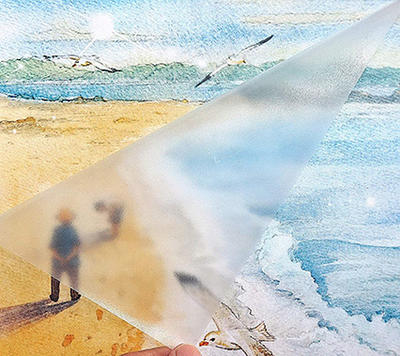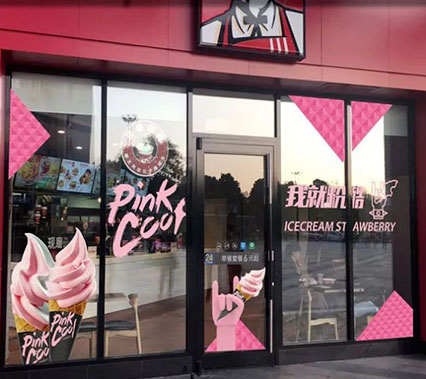
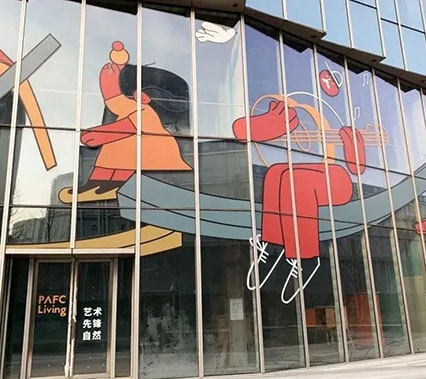
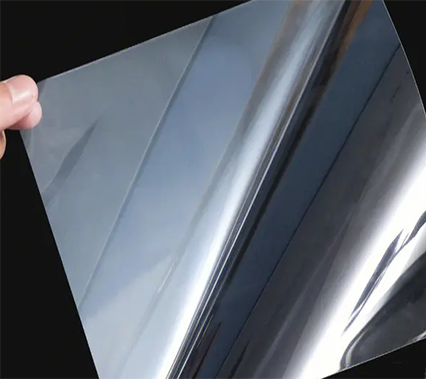
Ultra Clear PET Film is a double-sided visible window film developed to overcome the visual limitations of conventional single-sided painted glass coatings. As transparent media applications continue to evolve, this material reflects a meaningful advancement within the broader category of decorative covering products, offering consistent pattern clarity and color visibility when viewed from either side of a glass or acrylic surface. This bidirectional viewing characteristic sets it apart from many traditional window film options, which are typically legible from only one side, and extends its relevance across retail, hospitality, office, and residential environments.
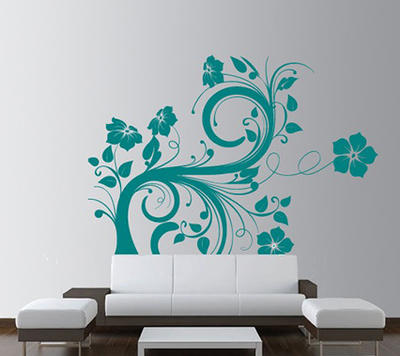
Functioning as a form of self adhesive vinyl wall covering, Ultra Clear PET Film is designed for direct application to smooth substrates such as glass doors, partitions, and acrylic panels, serving simultaneously as an architectural film and a corporate branding medium. Colored graphics remain sharply defined while the surrounding field retains a high degree of transparency, keeping pattern edges difficult to detect and supporting a refined finished appearance. Beyond its primary role as glass decorative stickers, the underlying PET material is also suited to related surface-covering uses, including furniture contact paper and table sticker cover applications, illustrating the versatility of self adhesive vinyl across multiple substrate types.
Graphics and color detail remain readable from both sides of the glass or acrylic panel, addressing a core limitation of single-sided painted window film.
Areas surrounding printed or colored graphics keep a high level of clarity as transparent media, keeping pattern edges difficult to distinguish for a clean, integrated appearance.
The film layer is designed to help hold glass fragments together upon impact, reducing the risk of shattered pieces scattering across a workspace or living area.
The surface is formulated to withstand routine daily contact, supporting a stable appearance over extended periods of use as a decorative covering.
As an alternative to custom painted or etched glass, the film provides a lower-cost route to a similar decorative outcome while remaining easy to apply and remove.
Correct surface preparation and application technique directly influence how well the film adheres and how long its appearance is maintained. The following general steps apply to most smooth, non-porous surfaces.
For routine care, a soft cloth with a mild, non-abrasive cleaning solution is generally sufficient. This is consistent with the low-maintenance handling typical of contact paper and similar self adhesive vinyl products.
Because Ultra Clear PET Film adheres to smooth, non-porous surfaces, its use extends beyond standard window film applications into a broader set of interior surface treatments.
On glass doors and partitions, the film is used primarily in the role of glass decorative stickers and architectural films for branding or privacy patterns. On furniture surfaces, it can serve as furniture contact paper, including wood grain contact paper for furniture when a textured pattern is selected. On tabletops, it functions as a table sticker cover, offering a protective and decorative layer, while on acrylic panels and retail fixtures it is applied as a transparent media and self adhesive vinyl for signage and display purposes.
| Material Type | Visibility Direction | Typical Application | Relative Installation Cost |
|---|---|---|---|
| Single-Sided Painted Glass | One side only | Fixed decorative glazing | Higher, custom process |
| Standard Opaque Vinyl Wall Covering | Not applicable | Wall surfaces, non-transparent substrates | Moderate |
| Conventional Contact Paper | Single surface only | Furniture, shelving, tabletops | Low |
| Ultra Clear PET Film | Double-sided | Glass, acrylic, furniture, tabletops | Moderate |
Basic application is achievable without professional training when the recommended steps are followed carefully. For large panels or complex patterns, professional installation can help achieve a more consistent result.
Open-plan offices, retail showrooms and hospitality lobbies increasingly rely on glass rather than drywall to divide space. That shift puts new pressure on the transparent surfacing layer itself, since a partition wall now has to look flawless from both sides while resisting scratches, fingerprints and years of cleaning chemicals. This has pushed facility planners toward film-based glazing solutions that can be engineered for clarity, adhesion and long-term wear rather than relying on the raw glass finish alone.
Traditional frosted glass or etched partitions are fixed once installed, which limits how quickly a space can be reconfigured. Facility managers running multi-tenant buildings or retail chains need surfacing that can be updated seasonally without replacing the glass itself. Transparent and semi-transparent films answer that need because they can be reprinted, swapped or layered onto existing panels.
Not every transparent film performs the same way once it is applied to vertical glass under daily foot traffic and sunlight exposure. Polyester-based films are generally preferred over PVC alternatives in commercial partitions because they resist yellowing and dimensional shrinkage over time, which keeps seams from becoming visible as the film ages.
| Property | Standard PVC Film | Ultra Clear PET-Based Film |
|---|---|---|
| Optical clarity retention (3 years) | Moderate, gradual haze | High, minimal haze shift |
| Dimensional stability | Prone to shrinkage at seams | Low shrinkage, tighter seams |
| UV yellowing resistance | Noticeable after 2-3 years | Slower discoloration curve |
| Recommended use | Short-term promotional graphics | Permanent or semi-permanent partitions |
A film specified for a glass partition is not just a graphic layer, it is part of the wall system and needs to be evaluated the same way structural glazing components are.
Most visible defects in film-covered glass partitions trace back to the installation stage rather than the material itself. Trapped air, dust particles under the film, or misaligned edges show up immediately under office lighting. A controlled, repeatable sequence reduces that risk.
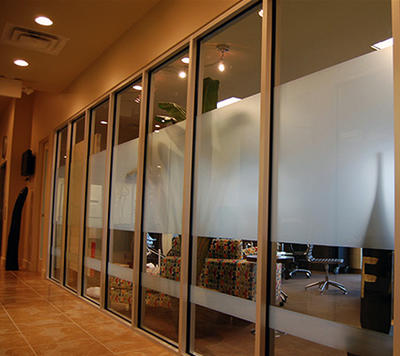
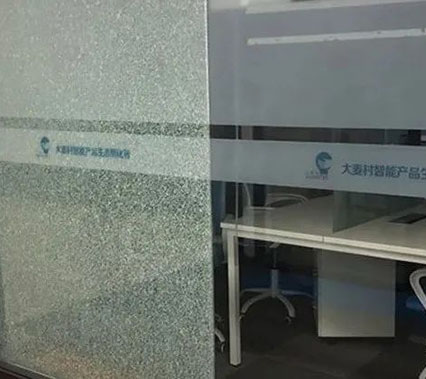
Beyond plain transparency, many projects call for partial patterns, printed gradients or textured strips on glass partitions to manage privacy without blocking light entirely. This is where decorative film treatments intersect with functional glazing, since a partition can carry both a printed identity element and a protective layer in one application.
These patterns are typically printed onto the film substrate before lamination, so the finished panel has a consistent surface rather than a separate applied graphic layer that could peel independently over time.
Solid wall sections in the same interior often use adhesive vinyl coverings for texture or color continuity. While the substrate chemistry differs from a clear glazing film, the installation logic is closely related, which is why many contractors specify both from the same production line to keep seam and finish quality consistent across a project.
| Consideration | Glass Partition Film | Solid Wall Vinyl Covering |
|---|---|---|
| Substrate | Clear or tinted glazing surface | Opaque wall panel or drywall |
| Primary function | Light control, privacy, branding | Texture, color, wear protection |
| Removal difficulty | Low with heat-assisted lift | Moderate depending on adhesive class |
Even a well-specified film can fail early if cleaning staff use ammonia-based glass cleaners or abrasive tools on it, since these accelerate surface haze and edge lifting. Facility teams that document a simple maintenance protocol tend to see meaningfully longer service life from the same material.
Under normal office or retail conditions, a properly installed film layer commonly performs well for five to eight years before visible haze or edge wear suggests a re-film is worthwhile.
Yes, though curved or textured surfaces usually require a slower wet-application process and additional trimming time compared to flat tempered panels.
Film thickness alone does not typically alter a partition's fire rating, but any rated assembly should be verified against local building code before specifying a film product.
In most cases yes, using gentle heat to soften the adhesive before peeling, followed by an adhesive residue cleaner suited to glass surfaces.
COPYRIGHT ©2018 Shanghai Hanker Industrial Co., Ltd., ALL RIGHTS RESERVED.

 English
 简体中文
简体中文