How to Choose the Right Privacy Film for Every Office and Home Window
Understanding Window Film and Why Privacy Matters
Glass walls, storefronts, and residential windows let in valuable daylight, but they also expose interiors to street-level views, glare, and heat gain. window film is a thin adhesive layer applied directly to existing glass to control what passes through it, without replacing the glass itself. Depending on the formulation, it can scatter light for privacy, filter ultraviolet rays, soften glare on screens, or simply add a decorative finish to an otherwise plain pane.
For homeowners, the driver is usually comfort and privacy from neighbors or passing pedestrians. For offices, the priority often shifts toward visual screening between meeting rooms and open floor plans, or shielding a reception area without installing blinds that block light entirely. Both goals can be met with the same underlying product category, but the right choice depends on how much visibility you want to remove, at what time of day, and from which side of the glass.
Before comparing specific film types, it helps to separate two questions that are often confused: how much light does the film let through, and how much detail can a viewer make out through it. A film can be quite light-transmissive and still block most visual detail, which is exactly the mechanism behind one way vision and mirrored finishes discussed in the next section.
Day and Night Privacy: How One Way Vision Works
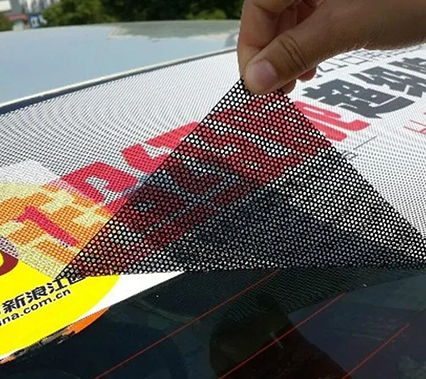
One way vision film, sometimes called 1 way mirror glass or mirror film, relies on a simple light-balance principle rather than any special optical trick. The film surface reflects more light than it transmits. When the light striking the outside of the glass is significantly brighter than the light on the inside, the reflective surface dominates what an outside viewer sees, so the glass reads as a mirror or a patterned surface. Once that brightness relationship reverses, the effect reverses too.
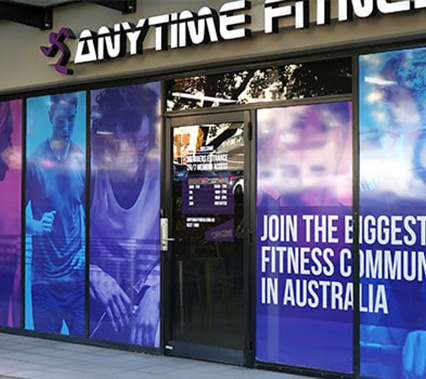
This is why the same pane of glass behaves differently depending on the hour, and why anyone specifying this type of film should plan for both conditions rather than only the daytime scenario that is usually shown in product photos.
| Time of Day | View From Outside | View From Inside |
| Daytime, exterior brighter | Mirrored, low visibility | Clear, near-normal visibility |
| Evening, interior lights on | Increasing visibility inward | Reduced outward clarity |
| Overcast or shaded exterior | Partial visibility | Slightly reduced clarity |
Because interior lighting after dark can weaken the daytime effect, spaces used at night, such as ground-floor offices or street-facing living rooms, often pair one way vision with sheer curtains or dimmable lighting for after-hours privacy.
Comparing Film Types: Frosted, Mirror, and One Way Vision Options
Several film categories fall under the general privacy film for windows day and night description, but they are not interchangeable. The table below summarizes how the main types differ in behavior and typical application.
| Film Type | Daytime Privacy | Nighttime Privacy | Typical Use |
| One way vision | High | Low without added lighting control | Storefronts, ground-floor offices |
| Frosted glass tape or film | Moderate to high | Moderate to high | Bathrooms, glass office partitions |
| Mirror film | High | Low, reverses after dark | Sun-facing facades, security glazing |
| Decorative window tint | Low to moderate | Low to moderate | Branding, aesthetic screening |
A film that performs well in one lighting condition may need a companion solution, such as blinds or interior film layers, to maintain privacy around the clock.
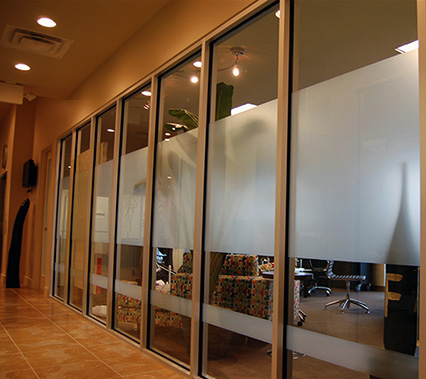
Frosted glass tape and similarly etched-look finishes behave consistently regardless of the light balance between rooms, which makes them a common answer to the recurring question of how to frost a glass door for a bathroom, meeting room, or interior partition where privacy needs to hold steady at all hours, not just during daylight.
Premium or Economical: Choosing the Right Grade for the Job
Within the one way vision category, grade differences usually come down to film thickness, adhesive quality, and how well the perforation pattern holds up to repeated cleaning and weather exposure. A premium grade is generally the better fit for exterior-facing storefronts or facades that see direct sun and frequent handling, since thicker films resist curling and fading over a longer service life. An Economical&Practical One Way Vision option is usually a reasonable match for interior partitions, temporary installations, or lower-traffic areas where the film is not exposed to constant weather cycling.

- Exterior storefront glazing with direct sun exposure generally favors a heavier, premium-grade film
- Interior office partitions with limited handling can perform well with an economical grade
- High-traffic entry doors benefit from a thicker film that resists scuffing near handles and edges
- Short-term promotional displays are often better served by economical film given the shorter intended lifespan
Cost differences between grades are usually justified by expected lifespan rather than by any difference in the core privacy effect, so the decision should be based on how long the installation needs to perform and how much wear the surface will see, not on visual appearance alone.
How to Frost a Glass Door: A Step by Step Application Guide
Frosted and one way vision films share a similar application process, whether the job is handled by a facilities team or a professional installer. The sequence below outlines the general workflow used for a standard glass door.
- Wash the glass with a mild soap solution and remove any residue near the edges and corners
- Measure the door panel and cut the film with a small trim allowance on each side
- Mist the glass with an application solution, then position the film while it can still slide
- Use a squeegee from the center outward to remove air pockets and excess liquid
- Trim the edges with a sharp blade and wipe down the perimeter once the film has set
Professional window film installation is generally recommended for large glass doors, curved glazing, or any surface where bubbling and misalignment would be highly visible, since correcting a poorly applied film usually means removing and replacing the entire sheet.
Office or Home: Matching Film Type to Space and Function
The same film category can serve very different purposes depending on where it is installed. Commercial office privacy solutions tend to prioritize consistent screening between rooms during business hours, while residential choices often weigh both daytime and evening conditions equally.
Meeting Rooms and Partitions
Frosted or etched-look film keeps sightlines blocked consistently through the workday, supporting visual screening without closing the room off from natural light entirely.
Ground Floor Reception
One way vision suits street-facing glass during business hours, though evening lighting should be planned separately since the daytime effect weakens after dark.
Bathrooms and Interior Doors
Frosted glass tape provides steady privacy regardless of the hour, which matters most in spaces used at any time of day.
Street-Facing Living Rooms
One way vision paired with interior lighting habits after dark can keep the daytime privacy benefit from being undone at night.
Glare reduction is a secondary benefit worth factoring into either setting. Screens and workstations positioned near south or west-facing glass often see fewer reflections once a film reduces the intensity of direct sun, independent of the privacy effect itself.
Maintenance, Durability, and Common Installation Mistakes
Film longevity depends more on care habits than on the product grade alone. A few practices consistently extend service life across both premium and economical films.
- Clean with a soft cloth and non-abrasive solution rather than scrapers or scouring pads
- Avoid ammonia-based cleaners, which can degrade the adhesive layer over time
- Check edges periodically for lifting, especially near door handles and high-contact areas
- Keep new film out of direct contact with tape, stickers, or suction-mounted items
Some of the most frequent complaints trace back to installation shortcuts rather than the film itself. Applying film to a surface that was not fully degreased is one of the most common causes of premature edge lifting. Cutting the film flush to the glass edge instead of leaving a trim margin often results in a visible gap once the film settles. Skipping the squeegee pass or rushing it tends to trap air bubbles that become permanent once the adhesive cures. Taking the time to follow each step in sequence generally prevents the need for an early replacement.
Frequently Asked Questions
Q1: Does one way vision film work the same during the day and at night?
No. The privacy effect depends on which side of the glass has more light. It is strongest when the outside is brighter than the inside and weakens once interior lights are on after dark.
Q2: How long does professionally installed window film typically last?
Service life varies with film grade, glass orientation, and exposure, but well-installed films on interior glass generally outlast the same film on exterior-facing, sun-exposed panels.
Q3: Can frosted glass tape be removed without damaging the glass?
In most cases yes, provided the film is peeled slowly and any adhesive residue is cleaned with a mild solvent suited for glass surfaces rather than an abrasive tool.
Q4: Is an economical grade film suitable for exterior use?
It can be used outdoors, but a premium grade is usually a better long-term fit for surfaces exposed to direct sun and frequent weather cycling.
Q5: Does privacy film reduce heat and glare as well as visibility?
Many films offer some glare reduction as a secondary effect, though the degree varies by film type, so it should not be assumed to replace dedicated solar control glazing.