What Determines How Long Vinyl Stickers Last: A Complete Durability Analysis
Understanding Vinyl Sticker Longevity
Vinyl stickers have become an essential component in both personal and commercial applications, from vehicle graphics to wall decorations. However, one of the most common questions users ask is how long these adhesive solutions actually last. The lifespan of vinyl stickers depends on multiple interconnected factors including material quality, application environment, installation technique, and maintenance practices. Understanding these variables helps you make informed decisions when selecting Self Adhesive Vinyl Sheet products for your specific needs.
The durability of vinyl stickers is not a one-size-fits-all scenario. Indoor applications typically last longer than outdoor installations, where exposure to harsh weather conditions accelerates degradation. A well-installed vinyl sticker in a protected environment can remain vibrant and functional for many years, while outdoor applications may show significant wear within months. This guide explores the key factors that influence vinyl sticker longevity and provides practical insights to maximize their lifespan.
Key Factors Affecting Vinyl Sticker Durability
Material Quality and Thickness
The composition and thickness of vinyl material directly impacts how long stickers remain functional. Premium-grade vinyl typically contains superior polymers and UV-resistant additives that prevent fading and brittleness. Standard vinyl sheets usually measure between 3 to 5 millimeters in thickness, with thicker materials generally offering better longevity.
Self adhesive vinyl wall covering manufactured from cast vinyl (rather than calendered vinyl) tends to last significantly longer. Cast vinyl undergoes a more refined production process that creates a more stable polymer structure. This results in better conformability to surfaces and improved resistance to environmental stress factors.
Adhesive Formulation
The quality of the adhesive layer is equally important as the vinyl material itself. High-performance adhesives bond more effectively to surfaces and resist environmental degradation better than standard formulations. Different adhesive types are designed for specific applications: removable adhesives work well for temporary applications, while permanent adhesives suit long-term installations.
The adhesive layer must maintain its tackiness and bonding strength throughout the sticker's lifespan. Poor-quality adhesives may lose their gripping power within months, causing edges to peel and moisture to infiltrate the sticker material.
Environmental Exposure
Environmental conditions represent perhaps the most significant factor in determining vinyl sticker longevity. UV radiation from sunlight causes photodegradation, gradually breaking down the polymer chains in vinyl material. Temperature fluctuations create expansion and contraction cycles that stress the adhesive bond. Moisture exposure can compromise both the vinyl material and the adhesive layer.
Stickers in protected indoor environments with stable temperatures and minimal light exposure can last 5 to 10 years or longer. In contrast, outdoor installations in sunny climates may degrade noticeably within 2 to 5 years. Coastal areas with salt spray exposure experience accelerated deterioration.
Surface Preparation and Installation
Proper surface preparation dramatically affects how long vinyl stickers maintain their adhesion and appearance. Surfaces must be clean, dry, and free from dirt, grease, and previous residue. Inadequate surface preparation leads to poor adhesion, which accelerates edge lifting and peeling.
The installation technique also matters significantly. Using squeegees or application tools to remove air bubbles and ensure uniform contact with the surface improves both immediate adhesion and long-term durability. Improper installation can create stress points that fail prematurely under environmental exposure.
Traffic and Mechanical Stress
Areas with high physical traffic or mechanical stress experience reduced sticker lifespan. Stickers on vehicle doors, frequently handled signs, or high-touch surfaces wear faster than those in static locations. Friction, impacts, and flexing gradually separate the sticker from its substrate.
Stickers applied to flexible surfaces (like vehicle wraps) experience continuous mechanical stress from vibration and expansion-contraction cycles. These applications typically show visible wear faster than installations on rigid surfaces.
Typical Lifespan by Application Type
Different applications present unique environmental and mechanical challenges that directly influence how long vinyl stickers remain viable. The following breakdown illustrates expected durability across common use cases:
| Application Type | Environment | Expected Lifespan | Key Degradation Factors |
|---|---|---|---|
| Indoor Wall Stickers | Protected Interior | 7-10 Years | Dust, humidity changes, adhesive aging |
| Vehicle Graphics | Outdoor, High Stress | 3-7 Years | UV exposure, vibration, temperature cycles |
| Outdoor Signage | Full Sun Exposure | 2-5 Years | UV radiation, weathering, temperature stress |
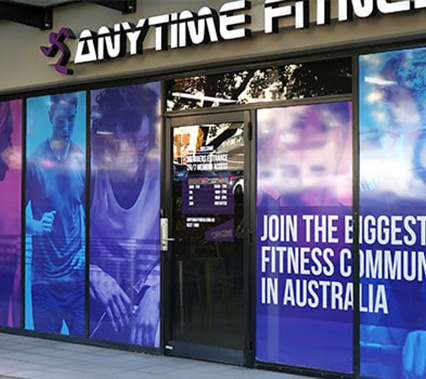
| Window Decals | Partial UV Exposure | 4-6 Years | UV through glass, heat buildup |
| Floor Graphics | High Traffic Area | 1-3 Years | Foot traffic, abrasion, moisture |
| Temporary Labels | Variable | 3-12 Months | Designed for limited lifespan |
Indoor Applications
Vinyl stickers used in controlled indoor environments experience the longest lifespans. Wall decorations, office branding, and interior signage benefit from stable temperatures, protection from direct sunlight, and minimal mechanical stress. These applications often remain in excellent condition for 7 to 10 years or more, depending on the quality of the self adhesive vinyl wall covering selected.
Indoor stickers typically fail due to adhesive aging rather than material degradation. The adhesive may lose its initial strength gradually, causing edges to lift. However, the vinyl material itself remains relatively unaffected by the indoor environment.
Outdoor Applications
Outdoor installations face significantly harsher conditions. Direct sunlight exposure, temperature fluctuations, moisture, and wind create a challenging environment. Vehicle graphics and outdoor signage typically last between 2 to 7 years, depending on the specific location and weather patterns. Vehicles in sunny regions experience faster degradation than those in temperate climates.
Coastal environments present additional challenges. Salt spray accelerates adhesive deterioration and can cause corrosion at the sticker edges. Installations in such areas typically require replacement more frequently than inland applications.
Transitional Environments
Window decals and partially sheltered installations occupy a middle ground. These applications receive indirect UV exposure and experience moderate temperature variations. Typical lifespan ranges from 4 to 6 years, making them a practical choice for temporary branding or seasonal decorations.
Visible Signs of Vinyl Sticker Degradation
Understanding the degradation process helps you identify when replacement becomes necessary. Vinyl stickers don't typically fail suddenly; instead, they show progressive signs of wear. Recognizing these indicators allows for timely replacement before complete failure.
Color Fading and Discoloration
UV-induced color fading represents one of the most obvious signs of aging. Bright colors gradually lose their vibrancy, appearing washed out or dull. This process accelerates with prolonged sunlight exposure. While fading doesn't necessarily impact functionality, it reduces aesthetic appeal and professionalism.
Discoloration may also result from moisture intrusion or chemical reactions with environmental contaminants. Yellow hazing often appears on clear or light-colored stickers exposed to outdoor conditions over extended periods.
Edge Lifting and Peeling
As adhesive loses its bonding strength, sticker edges begin to lift. This typically starts at corners or high-stress points and progressively worsens. Edge lifting allows moisture and dirt to accumulate beneath the sticker, accelerating deterioration. Once lifting begins, complete removal usually follows within weeks or months.
Peeling often indicates inadequate initial adhesion, excessive mechanical stress, or environmental factors that have compromised the adhesive bond. Prevention through proper installation technique minimizes this issue.
Brittleness and Cracking
Extended UV exposure causes vinyl polymers to become brittle. The material loses flexibility and may crack when flexed or during temperature changes. Cracks typically appear as fine lines across the sticker surface and represent advanced degradation. Once cracking appears, the sticker's remaining lifespan is usually measured in weeks.
Moisture Infiltration
Water penetration beneath the sticker surface indicates adhesive failure or edge lifting. Visible moisture or clouding under the sticker suggests that replacement is imminent. This condition accelerates the degradation process significantly, as moisture promotes adhesive breakdown and vinyl deterioration.
Surface Deterioration
The vinyl surface may develop a rough or chalky texture as degradation progresses. This roughening results from UV-induced polymer breaking. The surface may also develop small blisters or bubbles if moisture has accumulated underneath. These conditions indicate that the sticker has reached or exceeded its practical lifespan.
Best Practices to Extend Vinyl Sticker Lifespan
While environmental factors are partially beyond your control, several actionable strategies can significantly extend how long vinyl stickers remain functional and visually appealing. Implementing these practices protects your investment in quality Self Adhesive Vinyl Sheet products.
Proper Surface Preparation
Begin by thoroughly cleaning the application surface. Remove all dust, grease, dirt, and previous adhesive residue. Use appropriate cleaning agents for the surface type: rubbing alcohol for non-porous surfaces, warm soapy water for porous materials. Allow the surface to dry completely before application. A clean surface ensures optimal adhesion and reduces the risk of premature edge lifting.
Correct Installation Technique
Use proper application methods to eliminate air bubbles and ensure uniform contact. Apply vinyl stickers gradually using a squeegee or similar tool, starting from the center and working outward. This technique removes trapped air and creates consistent pressure across the entire sticker. Allow adequate curing time before exposing the installation to stress or moisture.
Strategic Placement
Position stickers in locations that minimize environmental stress. For outdoor applications, place graphics on less-exposed sides of vehicles or in partially shaded areas when possible. Avoid high-traffic zones or areas subject to frequent mechanical stress. Consider protective coverings for vulnerable installations during extreme weather events.
Regular Cleaning and Maintenance
Gentle regular cleaning removes dirt and contaminants that accelerate degradation. Use soft cloths and mild soaps specifically formulated for vinyl protection. Avoid abrasive scrubbing or harsh chemical cleaners that damage the vinyl surface. Regular maintenance helps identify early signs of wear before they progress to complete failure.
UV Protection Measures
For critical outdoor applications, consider protective coatings designed for vinyl graphics. Clear protective laminate layers provide additional UV protection and extend sticker lifespan. Some coating products also offer self-healing properties that repair minor scratches automatically. These solutions add cost but significantly increase durability in harsh environments.
Environmental Control
When possible, control the installation environment. Provide shade structures for outdoor signage, use window treatments to filter UV rays on interior graphics, and maintain moderate temperature conditions. Climate control in indoor spaces dramatically extends sticker lifespan by reducing thermal stress on adhesive bonds.
Quality Material Selection
Invest in premium-grade vinyl products specifically engineered for your application environment. Cast vinyl and products with advanced UV-resistant formulations cost more initially but provide superior longevity. Choosing high-quality materials from the beginning is often more economical than frequent replacement of budget options.
Safe Removal and Replacement Procedures
Understanding proper removal techniques protects underlying surfaces and prepares them for new installations. The removal process varies depending on sticker age, adhesive type, and surface material.
Timing and Preparation
Begin removal when the sticker shows significant wear or no longer serves its purpose. Timing affects ease of removal: newer stickers with active adhesive require different approaches than aged installations. Gather appropriate tools including plastic scrapers, heat guns, and adhesive removal solutions. Protect the underlying surface with drop cloths or masking materials.
Removal Techniques
For aged outdoor stickers, warm the vinyl gently using a heat gun (1200 watt minimum). This softens the adhesive and reduces stress on the underlying surface. Apply heat in short bursts, allowing the surface to warm gradually. Once softened, carefully peel the sticker away at a low angle, continuing to apply heat as needed. This approach minimizes substrate damage.
For newer stickers or those on delicate surfaces, apply specialized adhesive removal products. These solvents penetrate the adhesive layer without damaging underlying materials. Allow the product to sit for the recommended time, then gently peel the sticker away. Clean residual adhesive using appropriate methods for the surface type.
Adhesive Residue Management
After sticker removal, address any remaining adhesive residue. Use adhesive removers designed for vinyl applications, rubbing alcohol, or specialized citrus-based products. Test any removal agent on inconspicuous areas first to ensure it doesn't damage the substrate. Some residues may require multiple applications or prolonged soaking before complete removal.
Surface Restoration
Once residual adhesive is removed, clean the surface thoroughly and inspect for any damage. Many surfaces require minor touch-up or restoration after sticker removal. Allow adequate drying time before applying new stickers or protective finishes. Proper restoration ensures that replacement installations adhere effectively.
Vinyl Material Types and Their Durability Profiles
Cast Vinyl
Cast vinyl undergoes a liquid-to-solid casting process that creates a more stable polymer structure. This manufacturing method produces thinner but stronger material with superior conformability to curved surfaces. Cast vinyl typically lasts 7 to 10 years outdoors, compared to 3 to 5 years for calendered alternatives. The superior material consistency and fewer air bubbles within the polymer structure contribute to extended longevity.
Calendered Vinyl
Calendered vinyl is manufactured by pressing and rolling liquid vinyl through heated rollers. This process creates thicker material with higher initial stiffness. While calendered vinyl costs less than cast alternatives, it degrades faster under UV exposure and environmental stress. Typical outdoor lifespan is 3 to 5 years. Calendered vinyl works well for temporary applications or protected indoor installations.
Specialty Vinyl Formulations
Advanced vinyl formulations incorporate specialized additives for enhanced performance. UV-stabilized vinyl contains additional protective compounds that resist photodegradation. Color-stable formulations resist fading through proprietary pigment technologies. Some specialty products include self-cleaning properties or antimicrobial additives. These enhanced materials command premium pricing but deliver significantly extended lifespans in challenging environments.
Polyurethane-Coated Vinyl
Polyurethane coatings applied to vinyl surfaces provide additional protection against UV radiation, moisture, and chemical exposure. This combination delivers exceptional durability, often extending outdoor lifespan to 10 years or beyond. However, coated products typically cost 20 to 40 percent more than standard vinyl. The investment is justified for critical long-term installations.
Climate and Weather Impact on Longevity
Geographic location and local climate patterns significantly influence how long vinyl stickers remain viable. Different climate zones present distinct challenges that affect degradation rates.
Tropical and Humid Climates
High humidity and temperature extremes accelerate vinyl degradation. Constant moisture exposure promotes adhesive breakdown and can cause moisture infiltration beneath the sticker surface. Intense solar radiation in tropical regions significantly increases UV exposure. Stickers installed in tropical environments typically last 2 to 4 years, roughly half the lifespan compared to temperate climates. Increased maintenance and protective coatings become more important in these environments.
Arid and Desert Climates
Desert environments present intense UV exposure and extreme temperature fluctuations. Daily temperature swings create significant stress on adhesive bonds. However, lower humidity reduces moisture-related degradation. Stickers in arid regions typically last 3 to 6 years. UV protection becomes critically important; darker colors degrade faster than lighter shades in intense sunlight.
Temperate Climates
Moderate climates with seasonal variation present the most favorable conditions for vinyl sticker longevity. Temperatures remain within moderate ranges, humidity levels are moderate, and UV exposure varies seasonally. These conditions allow vinyl stickers to achieve their full designed lifespan. Installations in temperate regions typically last 5 to 10 years without special protective measures.
Coastal Environments
Salt spray and high humidity create particularly challenging conditions. Salt accelerates adhesive deterioration and can cause visible whitening or corrosion at sticker edges. Marine environments reduce typical sticker lifespan by 30 to 50 percent compared to inland areas. Protective coatings or regular maintenance become essential for coastal installations.
Northern and Cold Climates
Cold temperatures create additional challenges for vinyl stickers. Adhesive becomes less effective at low temperatures, and thermal cycling stresses the adhesive bond. Snow, ice, and road salt accelerate degradation. However, lower overall temperatures extend the chemical reaction rates that cause polymer breakdown. Stickers in cold climates typically last 4 to 8 years, with summer maintenance becoming critical during UV-intense months.
Vinyl Stickers vs. Alternative Adhesive Solutions
Understanding how vinyl compares to alternative adhesive products helps in selecting the best option for specific applications. Self adhesive vinyl wall covering represents one choice among several adhesive technologies available.
Paper-Based Stickers
Paper stickers provide lower cost but significantly reduced durability. Paper materials absorb moisture readily, leading to rapid degradation in humid environments. Outdoor lifespan typically extends only 6 to 12 months. Paper stickers work well for temporary applications, seasonal decorations, or fully protected indoor use. They cannot match vinyl's longevity for any long-term outdoor installation.
Fabric Decals
Fabric stickers offer flexibility and aesthetic advantages but reduced environmental resistance. Fabrics absorb moisture and UV radiation differently than vinyl, typically lasting 2 to 4 years outdoors. Fabric stickers work well for applications requiring flex or stretch conformability. However, vinyl materials outperform fabric in pure durability metrics.
Metallic Stickers
Metallic and reflective stickers incorporate foil or reflective substrates for enhanced visibility. While these materials can achieve comparable lifespan to standard vinyl (3 to 7 years), the reflective properties may degrade faster than the base material. Metallic stickers excel for safety applications but may not provide the overall durability of solid-color cast vinyl.
3D Dimensional Graphics
Three-dimensional stickers and embellished graphics may incorporate multiple materials with different degradation rates. The dimensional elements often fail before the base adhesive. Overall lifespan typically matches or slightly exceeds standard vinyl, but uneven degradation can create aesthetic issues. These specialty products work well for specific applications but require more careful environmental consideration.
Vinyl Stickers in Commercial Applications
Businesses depend on vinyl graphics for branding, signage, and fleet identification. Understanding realistic lifespan expectations helps with budgeting and maintenance planning.
Vehicle Graphics and Wraps
Commercial vehicle graphics represent significant investment. Fleet vehicles experiencing daily use encounter continuous mechanical stress, environmental exposure, and washing. High-quality cast vinyl typically maintains professional appearance for 4 to 7 years. Vehicles parked in shaded or protected locations last significantly longer. Planned replacement cycles ensure brand consistency across aging fleets.
Storefront Signage
Permanent storefront graphics should utilize the highest-quality materials available. Window decals and exterior signage directly impact customer perception and brand identity. Premium cast vinyl with protective coatings can achieve 7 to 10-year lifespan. Regular cleaning and maintenance protect the investment and maintain professional appearance throughout the lifespan.
Trade Show and Temporary Displays
Temporary graphics for events and displays need not utilize premium materials. Standard calendered vinyl provides sufficient durability for short-term use at lower cost. These applications typically last 1 to 2 years before replacement, which is acceptable for temporary use. Budget constraints often favor economy materials for event graphics.
Industrial Equipment Labels
Equipment labels and safety graphics must endure harsh industrial environments. Chemical exposure, extreme temperatures, and abrasion stress adhesive bonds and vinyl material. Specialized industrial-grade vinyl with enhanced chemical resistance extends lifespan to 5 to 8 years. These critical safety applications justify investment in premium materials.
Storage and Shelf Life Considerations
Even before application, vinyl stickers experience degradation during storage. Understanding storage best practices preserves material quality and ensures optimal performance after installation.
Pre-Application Storage
Unopened vinyl stickers maintain their integrity for 2 to 5 years when stored under ideal conditions. Temperature should remain between 60 and 85 degrees Fahrenheit. Humidity levels should stay between 30 and 60 percent. Avoid direct sunlight exposure during storage, as UV radiation initiates degradation before installation. Store rolls upright or flat, never folded, to prevent permanent creasing or adhesive damage.
Environmental Conditions
Extreme temperatures cause adhesive hardening or softening, reducing effectiveness. Very high humidity promotes adhesive skin formation or internal moisture absorption. Cold storage slows adhesive activation; materials stored in cold conditions may require warming before application to achieve optimal bonding. Many manufacturers recommend allowing stored materials to reach room temperature for several hours before opening packaging.
Container and Packaging
Original packaging preserves material integrity during storage. Avoid removing materials from protective wrappers until immediately before use. Light barriers in packaging prevent UV-induced degradation during storage. Avoid storing alongside solvents, cleaners, or materials that off-gas harmful vapors, which can damage adhesive properties.
Shelf Life Impact on Installation
Adhesive effectiveness may diminish as shelf life extends. Materials stored near their expiration dates require more careful application technique. Clean surfaces become even more critical for aged materials, as adhesive may not overcome surface imperfections. Test older materials on inconspicuous areas before full-scale application when possible.
Troubleshooting Common Longevity Issues
Several common problems affect how long vinyl stickers remain functional. Identifying and addressing issues promptly extends overall installation lifespan.
Premature Edge Lifting
Edges lifting within weeks of installation indicate surface preparation issues or improper application technique. Solution: reapply stickers to properly cleaned surfaces using correct squeegee pressure. If lifting continues, the underlying surface may have inherent adhesion limitations. Consider surface primers or alternative adhesive formulations designed for challenging substrates.
Bubbling and Air Pockets
Air bubbles trap moisture and weaken adhesive contact. Trapped air creates stress points that fail prematurely. Solution: reapply stickers using proper application technique, working from center outward to eliminate trapped air. For existing bubbles, carefully lift edges and re-squeegee to release trapped air. Small persistent bubbles in non-critical areas may be acceptable.
Adhesive Residue Issues
Excessive adhesive seeping from sticker edges indicates over-application or substrate incompatibility. Solution: use lighter squeegee pressure during application. Select adhesive formulations better matched to the substrate. Clean excess adhesive immediately after installation to prevent hardening and edge discoloration.
Color Inconsistency
Significant color fading within months suggests material quality issues or extreme environmental stress. Solution: select UV-stabilized formulations for outdoor applications. Apply protective coatings in high-UV environments. Reposition graphics to areas with reduced sun exposure when possible.
Adhesive Failure in Cold Temperatures
Stickers applied in cold conditions may fail to bond properly. Cold reduces adhesive activation and flow. Solution: allow materials to warm to room temperature before application. Use adhesive formulations specified for cold-weather application. Avoid applying stickers in temperatures below the material specifications.
Environmental and Sustainability Considerations
As vinyl sticker lifespans reach their end, environmental impact becomes relevant. Understanding sustainability options helps responsible material management.
Lifecycle Environmental Impact
Longer-lasting stickers reduce overall environmental impact by requiring less frequent replacement. Investing in premium materials that achieve 7 to 10-year lifespans often proves more sustainable than replacing budget alternatives every 2 to 3 years. Manufacturing footprint amortizes over extended product life, reducing per-year environmental cost.
Recyclability and End-of-Life
Most vinyl materials are technically recyclable, though practical recycling infrastructure remains limited. Check with local waste management services regarding vinyl recycling options. Some specialty vinyl formulations feature enhanced recyclability or biodegradable properties, though these may cost considerably more.
Sustainable Alternatives
Emerging materials include plant-based vinyl alternatives and biodegradable polymers. These options typically provide shorter lifespan than petroleum-based vinyl but reduce environmental impact. They work well for temporary applications or organizations prioritizing environmental responsibility over maximum durability.
Responsible Disposal
Proper disposal prevents environmental contamination. Avoid incinerating vinyl materials, which can release harmful compounds. Remove and dispose of adhesive backing separately according to local regulations. Some manufacturers accept used products for reclamation or proper recycling.
Future Developments in Vinyl Sticker Technology
Ongoing research and development continues to advance vinyl sticker durability and performance. Understanding emerging technologies helps predict future improvements in longevity.
Advanced Coating Technologies
Nanotechnology-based coatings promise significant durability improvements. These ultra-thin protective layers provide enhanced UV protection, scratch resistance, and self-cleaning properties. Early products show potential for extending outdoor lifespan to 12 to 15 years, nearly doubling current expectations.
Improved Adhesive Formulations
Research into pressure-sensitive adhesives focuses on maintaining bonding strength across wider temperature ranges. New formulations demonstrate better resistance to environmental stress and chemical exposure. These improvements promise more consistent performance across diverse climates and applications.
Enhanced UV Protection
Advanced UV-stabilizing additives and pigment technologies continue to improve color retention and material preservation. Emerging formulations maintain vibrancy and structural integrity significantly longer than current materials. Premium products incorporating these advances are already becoming available.
Smart and Interactive Vinyl
Emerging technologies incorporate responsive elements into vinyl stickers, including thermochromic and photochromic properties. While these specialty options don't necessarily extend lifespan, they offer enhanced functionality. Durability expectations for smart stickers remain under evaluation, but early indications suggest comparable lifespans to standard products.
Frequently Asked Questions
Q1: What is the average lifespan of vinyl stickers?
Vinyl sticker lifespan varies significantly based on application and environment. Indoor protected applications typically last 7 to 10 years, while outdoor installations last 2 to 7 years depending on climate and sun exposure. High-traffic areas and mechanical stress reduce lifespan to 1 to 3 years. The type of adhesive and vinyl quality substantially impact these timeframes.
Q2: How can I make my vinyl stickers last longer?
Extend lifespan through proper installation on clean, dry surfaces, strategic placement in protected areas, regular gentle cleaning, and investment in premium-grade materials. UV-protective coatings provide additional protection for outdoor applications. Selecting cast vinyl over calendered alternatives and avoiding high-stress locations can significantly extend durability.
Q3: Do vinyl stickers fade in sunlight?
Yes, UV radiation causes progressive color fading in vinyl stickers. The rate depends on vinyl quality, color selection, and intensity of sun exposure. Darker colors fade faster than lighter shades. UV-stabilized formulations and protective coatings slow fading significantly. Complete protection from direct sunlight is the most effective prevention method.
Q4: Can I apply vinyl stickers in cold weather?
Cold temperatures reduce adhesive activation and flow, compromising bonding quality. Manufacturers typically specify minimum application temperatures, usually 50 to 60 degrees Fahrenheit. Allow materials to warm to room temperature before application. Some adhesive formulations work at lower temperatures, but results remain less reliable than warm-weather application.
Q5: How do I remove old vinyl stickers without damaging the surface?
Warm the sticker gently with a heat gun to soften the adhesive, then peel slowly at a low angle. Continue applying heat as needed. For delicate surfaces, use specialized adhesive removal products instead of heat. Test any removal products on inconspicuous areas first. Clean residual adhesive with appropriate solvents for the substrate type.
Q6: What's the difference between cast and calendered vinyl?
Cast vinyl is manufactured through a liquid casting process, creating superior material with 7 to 10-year outdoor lifespan. Calendered vinyl uses heat and pressure rolling, resulting in thicker but less durable material lasting 3 to 5 years outdoors. Cast vinyl costs more but delivers significantly better durability for long-term applications.
Q7: Do vinyl stickers work on all surfaces?
Vinyl stickers adhere best to smooth, clean, non-porous surfaces. They work well on glass, metal, plastic, and painted surfaces. Porous materials like unsealed wood or concrete may require surface preparation or primer application. Some surfaces require specialized adhesive formulations. Always test application on inconspicuous areas of questionable substrates.
Q8: How should I store unused vinyl stickers?
Store vinyl stickers in cool, dark conditions between 60 and 85 degrees Fahrenheit with 30 to 60 percent humidity. Keep materials in original packaging to protect from UV exposure. Avoid extreme temperatures, which affect adhesive properties. Properly stored materials maintain quality for 2 to 5 years before installation.
Q9: Are vinyl stickers waterproof?
Vinyl material itself is waterproof, but water infiltration at edges or through adhesive failures compromises sticker longevity. Proper installation with complete edge sealing provides excellent water protection. However, extended submersion or constant moisture exposure eventually fails even well-sealed stickers. Vinyl works well for wet environments but has practical moisture limits.
Q10: What causes vinyl stickers to peel or lift at edges?
Edge lifting results from poor surface preparation, inadequate initial adhesion, or adhesive aging. Insufficient squeegee pressure during application, surface contaminants, or incompatible surfaces also contribute. Environmental stress from temperature cycling, moisture infiltration, and mechanical stress accelerates edge failure. Prevention through proper installation technique is more effective than after-the-fact remediation.