The thickness of laminating film is one of the most critical decisions you'll make when protecting and enhancing printed materials. Whether you're working with important documents, marketing collateral, or decorative prints, selecting the appropriate film thickness directly impacts durability, appearance, and overall project success. This comprehensive guide will help you navigate the complexities of film selection and make informed decisions based on your specific needs.
Laminating film thickness is measured in microns (also called micrometers), with standard options typically ranging from 75 microns to over 200 microns. Understanding how thickness affects protection, handling, and performance is essential for anyone regularly working with lamination processes.
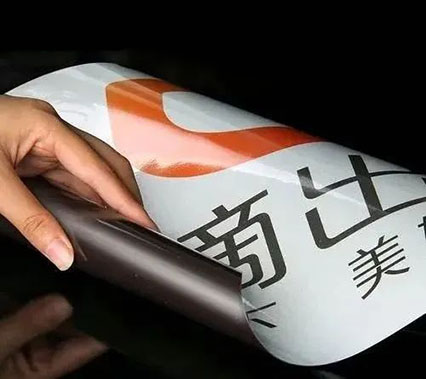
Pressure sensitive laminating film represents one of the most versatile options available in the market. This type of film comes pre-coated with adhesive, eliminating the need for heat or special equipment. The typical thickness range for pressure sensitive films spans from 50 microns to 150 microns, with most professional applications falling between 75 and 125 microns.
The self-adhesive nature of pressure sensitive films makes them ideal for businesses seeking quick turnaround times and minimal equipment investment. Thinner variants (50-75 microns) work well for temporary applications or lightweight documents, while thicker versions (100-125 microns) provide enhanced durability for frequently handled materials.
Cold laminating film operates without heat, making it perfect for heat-sensitive materials like photographs, specialized graphics, or delicate papers. The thickness variations in cold laminating film typically range from 75 microns to 200 microns. PVC cold lamination film stands as the most commonly used variant, offering excellent clarity and protection while maintaining flexibility.
The advantage of cold lamination lies in its ability to work with materials that would otherwise become damaged by heat. A 100-micron cold film provides adequate protection for standard documents, while 150-200 micron options offer maximum durability for high-traffic applications or outdoor displays.
Glossy finishes enhance color vibrancy and create a professional appearance that catches the eye. Glossy cold laminating film typically ranges from 75 to 150 microns in thickness. The glossy surface reflects light, making printed colors appear richer and more saturated while adding a premium feel to finished products.
For applications requiring maximum visual impact—such as photography, product packaging displays, or marketing materials—glossy films in the 100-125 micron range provide the perfect balance between aesthetic enhancement and practical durability.
Unlike their glossy counterparts, matte cold laminating film reduces glare and reflections, offering a sophisticated, understated appearance. Matte films typically come in thicknesses from 75 to 150 microns, with many professionals preferring the 100-125 micron range for everyday use.
Matte finishes excel in reducing fingerprints and smudging, making them ideal for documents that will be handled frequently. The diffuse surface also provides better readability in brightly lit environments, a significant advantage for diplomas, certificates, and reference materials.
UV protective laminating film includes additives that shield printed materials from harmful ultraviolet radiation. These films prevent color fading and yellowing over extended periods of sun exposure. Thicknesses typically range from 100 to 200 microns, with outdoor applications generally requiring the thicker end of this spectrum.
The protective properties of UV films make them indispensable for materials displayed outdoors or in direct sunlight. A 150-micron UV protective film provides excellent color preservation, while 200-micron variants offer maximum protection for long-term outdoor display scenarios.
The primary factor influencing thickness selection is how the document will be used. Documents that experience heavy handling, frequent folding, or exposure to environmental stressors require thicker films. Consider these scenarios:
Different base materials respond differently to various film thicknesses. Thicker films provide better support for delicate materials, preventing warping or curling. When working with specialty papers, photographs, or thin materials, thicker lamination films (125-150 microns) offer superior protection against moisture and environmental changes.
Standard office papers work well with moderate thickness films (100-125 microns), while poster board and cardstock materials may benefit from slightly thinner films (75-100 microns) to maintain flexibility and prevent excessive rigidity.
Where your laminated material will be stored or displayed significantly impacts thickness requirements. Indoor, climate-controlled environments require less protective coverage than outdoor or variable-condition settings. For UV protective laminating film, outdoor applications should use minimum 150-micron thickness to provide adequate barrier against solar degradation.
Humidity, temperature fluctuations, and exposure to chemicals or moisture should all factor into your decision. Thicker films provide better environmental protection through their increased density and barrier properties.
Thickness affects not only protection but also the feel and appearance of finished materials. Thinner films (75-100 microns) create a more flexible, paper-like quality, while thicker films (150-200 microns) provide a more substantial, premium feel. Glossy cold laminating film at 100 microns delivers vibrant color without excessive thickness, while matte variants at similar thicknesses offer a sophisticated appearance with reduced glare.
Your choice should balance practical requirements with desired tactile and visual qualities. Premium applications often benefit from slightly thicker options that convey quality and durability to end users.
Use this comprehensive table to quickly identify appropriate film thickness for common application scenarios:
| Application Type | Recommended Thickness | Film Type | Finish |
|---|---|---|---|
| ID Badges & Credentials | 75-100 microns | Cold or Pressure Sensitive | Gloss or Matte |
| Certificates & Awards | 100-125 microns | Cold or Pressure Sensitive | Matte |
| Business Reports & Documents | 100-125 microns | Cold or Pressure Sensitive | Matte |
| Photography & Fine Art | 125-150 microns | Cold | Glossy |
| Kitchen & Work Guides | 150-200 microns | Cold or Pressure Sensitive | Gloss or Matte |
| Indoor Posters & Signage | 125-150 microns | Cold | Glossy |
| Outdoor Signage & Banners | 150-200 microns | Cold with UV Protection | Glossy |
A micron, also known as a micrometer, represents one-millionth of a meter. In laminating film specifications, micron thickness indicates the total thickness of the film layer. This measurement directly correlates to the film's durability, flexibility, and protective properties. Understanding the micron scale helps you grasp the practical differences between various film options.
The laminating film market typically divides into several thickness categories, each serving distinct purposes:
To develop intuition about thickness, consider these tactile comparisons. A standard sheet of paper measures approximately 100 microns thick. A 100-micron film equals roughly one sheet of paper worth of material. A 200-micron film provides the equivalent protection of two sheets of standard paper. These visual references help contextualize the protective properties offered by various thicknesses.
All quality laminating films offer excellent optical clarity, but thickness can subtly affect this property. Thinner films (75-100 microns) typically provide maximum transparency and true color representation. As thickness increases to 150-200 microns, optical clarity remains excellent but may show minimal reduction in light transmission, though this is imperceptible to most applications.
Thinner films provide superior flexibility and easier handling. A 75-micron cold laminating film remains pliable and easy to work with, while 200-micron variants become more rigid and require careful handling during application. For projects requiring flexibility—such as items that will be rolled, folded, or curved—thinner options (75-125 microns) prove advantageous.
Increased thickness provides enhanced protection against moisture, dust, and physical damage. While a 75-micron film offers basic protection, 150-200 micron options create substantially more robust barriers against environmental contamination. For documents requiring maximum protection against liquid exposure or chemical contact, thicker films deliver superior performance.
Pressure sensitive laminating film thickness affects adhesion characteristics. Thinner pressure sensitive films (75-100 microns) apply smoothly and easily with minimal air bubbles, while thicker variants (125-150 microns) may require more careful application technique. Cold laminating film thickness affects laminator compatibility—always verify your equipment can accommodate your chosen thickness before purchase.
Glossy cold laminating film and matte variants display finish characteristics consistently across thickness ranges. However, glossy finishes at 75-100 microns may show light diffraction differently than 150-micron options. Similarly, matte films at various thicknesses may exhibit slightly different degrees of gloss reduction.
Your laminating equipment's specifications must accommodate your chosen film thickness. Most standard laminators handle films from 75 to 125 microns easily. For thicker films (150-200 microns), equipment ratings become critical. Always consult your laminator's specifications before selecting film thickness, particularly when using specialized equipment.
Thinner films (75-100 microns) process faster through laminating equipment, reducing production time. Thicker films (150-200 microns) require slower processing speeds to ensure proper adhesion and eliminate air bubbles. Consider processing speed implications when selecting thickness for high-volume operations.
If using heat-based lamination, thickness affects heat distribution and curing speed. Cold laminating film and pressure sensitive laminating film eliminate these concerns, making thickness selection purely functional rather than thermal. Cold lamination remains ideal for heat-sensitive materials regardless of film thickness.
Thicker films provide better environmental protection during and after application. If your project involves exposure to moisture, temperature fluctuations, or chemical environments during application, slightly thicker options (125-150 microns) provide additional safety margin. For standard dry environments, this consideration becomes minimal.
Before committing to full-scale production, test your chosen film thickness on sample materials. This validates that your selected thickness meets aesthetic requirements, handling expectations, and equipment compatibility. Testing prevents costly errors and ensures client satisfaction.
Consider how materials will be used in their final environment. Documents destined for high-traffic areas, outdoor display, or rough handling deserve thicker protection. Standard office environments may require only moderate thickness. This forward-thinking approach maximizes value and prevents premature material degradation.
Thicker films cost more per unit, so select the minimum thickness that meets your requirements. A 100-micron film may prove perfectly adequate when 150-micron options would provide unnecessary expense. Careful analysis of actual needs optimizes both protection and budget.
Glossy cold laminating film enhances visual impact for marketing materials and photography, while matte finishes excel for professional documents and frequently handled materials. Your finish selection should complement thickness choice. High-gloss 100-micron film differs substantially from matte 100-micron film in appearance and functionality.
Any materials displayed outdoors require UV protective laminating film, regardless of thickness. Thicker UV-protective options (150-200 microns) combine maximum UV barrier with enhanced durability. This combination ensures both color preservation and physical protection in outdoor environments.
Maintain records of successful thickness selections for various projects. This documentation becomes invaluable when repeating projects or training team members. Institutional knowledge about what works for specific applications streamlines future decision-making and ensures consistency.
Problem: Laminated material feels too stiff or won't fold naturally. Solution: Select thinner film. If already applied, future batches should use 75-100 micron options instead of 150+ micron variants. Thinner films maintain necessary protection while preserving flexibility.
Problem: Documents show wear faster than expected, or moisture penetrates lamination. Solution: Increase thickness on future productions. Move from 75-100 micron films to 125-150 micron options. Verify that pressure sensitive laminating film adheres completely—incomplete adhesion compromises protection regardless of thickness.
Problem: Air bubbles remain trapped during lamination, creating unsightly blemishes. Solution: Thicker films may trap air more easily than thinner variants. If experiencing this issue with 150+ micron film, test with 100-125 micron options. Ensure proper application technique and equipment calibration regardless of thickness selection.
Problem: Laminating equipment struggles with chosen film thickness or won't accept material. Solution: Verify equipment specifications before material purchase. Most standard equipment handles 75-125 microns easily. Thicker films (150-200 microns) require professional-grade equipment. Select thickness within your equipment's rated range.
Problem: Laminated colors appear different from original prints. Solution: This typically results from finish choice (glossy vs. matte) rather than thickness. Verify your finish selection. Glossy finishes enhance color saturation while matte finishes mute it slightly—both effects remain consistent across thicknesses within the normal range.
Problem: Cut edges appear ragged or damaged after trimming laminated materials. Solution: Thicker films (150+ microns) require sharper blades and more careful cutting technique. Ensure cutting equipment remains well-maintained. For thinner films (75-100 microns), standard cutting tools usually suffice.
Current industry trends show increasing adoption of cold laminating technology, particularly for applications where material sensitivity requires heat-free processing. Pressure sensitive laminating film usage has grown significantly in sectors valuing quick turnaround and minimal equipment investment.
Thickness preferences vary by industry segment. Marketing and creative industries typically favor 100-125 micron films that balance protection with flexibility. Educational and government sectors often prefer 125-150 micron options for longevity. Manufacturing and logistics industries commonly select thicker variants (150-200 microns) for demanding environments.
As environmental concerns grow, selecting appropriate thickness becomes an efficiency question. Using excessively thick films when thinner options suffice represents unnecessary material consumption. Conversely, undersizing on thickness requires replacement, generating additional waste. Thoughtful thickness selection aligns with both protective requirements and environmental responsibility.
Professional laminating film manufacturers test thickness consistency, adhesion strength, clarity, and durability through standardized procedures. Products meeting industry standards ensure predictable performance across production runs. When selecting films, verify manufacturer testing data and quality certifications to ensure purchased materials meet documented specifications.
While thicker films cost more initially, longer material lifespan often justifies the investment. A 150-micron film protecting a document for multiple years may cost less per year of use than a 75-micron film requiring replacement. Conduct true cost analysis based on expected material lifespan and replacement frequency rather than initial purchase price alone.
The following diagram illustrates typical laminating film thicknesses and their relative scales:
maximum protectionSelecting film that's too thin results in inadequate protection. Your documents may show premature wear, environmental damage may penetrate the lamination more easily, and materials may require replacement sooner than desired. If you're uncertain between two thickness options, choosing the slightly thicker variant provides safety margin without excessive expense.
No. Using film thicker than your equipment specifications may damage the laminator, produce poor results, or create safety hazards. Always verify your equipment's maximum rated thickness before purchasing film. If your project requires thicker lamination than your equipment supports, consider upgrading equipment or outsourcing to a service provider with appropriate capability.
Finish (glossy vs. matte) and thickness are independent properties. You can obtain glossy cold laminating film in any thickness from 75 to 200 microns, and the same applies to matte variants. Your finish choice should depend on aesthetic preferences and handling requirements, not thickness considerations.
Thin films offer several advantages beyond cost savings. They maintain document flexibility, require less sophisticated equipment, process faster, and create a more natural feel. For applications not requiring maximum durability, thin films prove ideal. Matching thickness to actual requirements optimizes both performance and economics.
UV protective laminating film comes in similar thickness ranges as standard films (75-200 microns). The UV protection comes from chemical additives rather than thickness. Outdoor applications should prioritize UV protection over thickness alone, though combining both (150-200 micron UV-protective film) provides optimal outdoor performance.
While both are heat-free options, pressure sensitive and cold laminating film behave differently. Pressure sensitive film uses self-adhesive, making it easier to apply but sometimes creating bubbles if not applied carefully. Cold laminating film requires a cold laminator but often produces smoother results. At the same thickness, they offer similar protection but different application experiences.
The 100-125 micron range represents the most common choice for general professional applications. This range balances protection, handling characteristics, equipment compatibility, and cost. Most businesses gravitate toward this sweet spot unless specific requirements demand thinner or thicker options.
Conduct trials with sample materials using your target thickness. Evaluate protection adequacy, handling characteristics, equipment compatibility, and cost. Real-world testing under expected use conditions provides better guidance than specifications alone. If the test product performs well, your thickness choice is likely correct.
Thicker film provides enhanced protection against physical damage and environmental penetration, but material lifespan depends on multiple factors including finish quality, storage conditions, and use intensity. A well-chosen 100-micron film in ideal conditions may outlast a 200-micron film in harsh environments. Thickness contributes to longevity but isn't the only factor.
For many office and indoor applications, thickness variations within the 100-125 micron range produce virtually identical results. Performance differences become more noticeable when comparing thin films (75 microns) to thick films (150+ microns) or when materials face demanding environmental conditions. For standard business documents, moderate thickness variations rarely impact actual performance significantly.
Selecting the right laminating film thickness requires understanding your specific application requirements, evaluating environmental conditions, and balancing protection needs against practical considerations like equipment compatibility and budget. This guide has equipped you with the knowledge to make informed decisions across diverse applications.
Remember that thickness selection shouldn't be arbitrary. Consider document handling intensity, storage environment, aesthetic preferences, and equipment capabilities. When in doubt, test with your chosen thickness before full-scale production. This investment in validation prevents costly mistakes and ensures client satisfaction.
Whether working with standard office documents, outdoor signage, photography, or specialized materials, matching film thickness to actual requirements optimizes both protective performance and project economics. The most expensive option isn't always best—nor is the cheapest choice prudent. Thoughtful analysis of your specific needs guides you toward the optimal thickness that maximizes value.
As you implement these recommendations, remember that professional results come from considering all factors: document type, use environment, equipment specifications, aesthetic goals, and realistic budget constraints. By applying the frameworks and decision matrices provided in this guide, you'll consistently select thickness options that deliver excellent results across your diverse projects.
COPYRIGHT ©2018 Shanghai Hanker Industrial Co., Ltd., ALL RIGHTS RESERVED.

 English
 简体中文
简体中文