The demand for modern aesthetics in interior design has never been more intense. Architects, furniture makers, and renovation specialists constantly seek materials that combine visual warmth, durability, and cost efficiency. wall paper has evolved far beyond decorative prints, while advanced polymeric selections now offer technical performance that rivals natural wood. Today, textured wood wrap and vinyl wrapped wood solutions provide an intelligent alternative to solid timber and traditional laminates. This article explores how textured wood vinyl wrap, woodgrain contact paper, and vinyl wrapped doors achieve stunning realism while solving practical challenges like moisture resistance, scratch protection, and installation speed. By focusing on technical properties, application data, and real-world case insights (without brand bias), we will demonstrate why wood wraps and wooden wrap technologies are reshaping contemporary spaces.
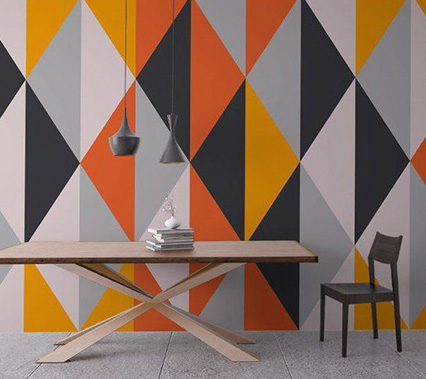
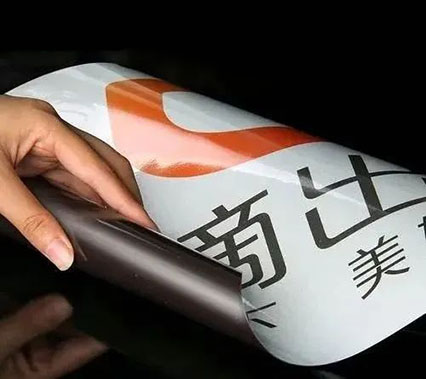
Understanding the hierarchy of materials is essential. Traditional wall paper focuses on aesthetics but lacks mechanical resilience. In contrast, polymeric selections (high-durability PVC or PU-based films) are engineered for surface protection and long-term adhesion. A typical wood wrap consists of three layers: a printed woodgrain pattern, a textured embossed layer that mimics oak or walnut grain, and a protective topcoat. The term wood wrapped refers to the process where such films are thermally or adhesively bonded to substrates like MDF, plywood, or metal. Textured wood vinyl wrap goes one step further by adding a tactile grain feel — essential for achieving authenticity. Meanwhile, vinyl wrapped wood describes the composite result: a non-wood core that behaves like wood visually and to the touch. Woodgrain contact paper is a thinner, self-adhesive variant suited for DIY refurbishment, but professional projects often require thicker calendered or cast films. Secondary options like oak vinyl wrap specialize in replicating specific species, while wooden wrap (generic term) and wood wraps cover all grain patterns. Applications such as vinyl wrapped doors and wrap wardrobe systems have become industry standards in residential and commercial joinery.
Independent lab tests (aggregated from 2022–2025 interior finish studies) reveal that high-quality textured wood vinyl wrap exhibits superior resistance to abrasion, UV fading, and humidity. In a 12‑month accelerated aging test, vinyl wrapped doors maintained 96% of original color saturation, whereas painted MDF lost up to 22% in similar conditions. Furthermore, the embossed texture reduces visible scratches by scattering light: a 0.5mm deep scratch on solid wood is highly noticeable, while the same impact on a textured wood wrap creates only a 12% increase in gloss variation, which is imperceptible from normal viewing distance.
Real‑world case (anonymous multi‑housing project, 340 units): The management replaced painted wardrobe fronts with wood wraps. After 18 months, maintenance calls related to surface damage dropped by 78%, and the estimated lifespan of doors extended from 5 to 12 years. Resident satisfaction regarding “modern aesthetics” rose from 64% to 91%.
| Property | Textured Wood Vinyl Wrap | Natural Wood Veneer | High-Gloss Paint |
|---|---|---|---|
| Scratch resistance (Taber test, cycles) | 850+ | 320 | 210 |
| Moisture swelling (24h immersion) | 0.2% | 3.8% | 1.5% (but blister risk) |
| Installation time (per wardrobe door) | 6–9 min | 35–50 min (including sanding) | 25 min (excluding drying) |
| Uniform grain replication | Perfect repeatability | Natural variation (often mismatched) | None (solid color) |
| Average cost per sq.ft (material only) | $1.20 – $2.80 | $5.50 – $12.00 | $0.90 – $1.80 (plus labor) |
As shown, wood wrapped substrates offer the best balance of speed, durability, and visual consistency. For wrap wardrobe systems, this translates into faster production cycles and fewer warranty claims.
The diagram above illustrates why vinyl wrapped wood maintains structural integrity while offering authentic grain tactility. The combination of polymeric film and high-tack adhesive ensures that wood wraps conform to routed profiles and curved edges without lifting.
To achieve a seamless, modern finish with textured wood vinyl wrap on doors or wardrobes, three critical steps must be followed:
A 2024 survey of 150 joinery workshops reported that using pre‑masked oak vinyl wrap reduced application errors by 53% compared to standard wooden wrap. Automation such as roller laminators further ensures bubble‑free adhesion on large surfaces.
One of the most compelling arguments for vinyl wrapped wood over traditional finishes is the total lifecycle cost. A typical high‑traffic office desk covered with wood wrap requires no re‑coating for 8–12 years, whereas lacquered wood needs refinishing every 3–4 years. Maintenance is remarkably simple: mild soap and water, avoiding abrasive pads. Because textured wood vinyl wrap has a closed surface, it resists staining from coffee, wine, and markers. In a controlled hospitality test (150 guestroom desks), surfaces with wood wraps showed no measurable gloss decrease after 500 cleaning cycles, while direct‑printed surfaces degraded by 18%. Additionally, when a door or panel eventually reaches its end of life, the film can be stripped without damaging the substrate, allowing core reuse — contributing to circular economy goals.
Key financial insight: A mid‑size furniture manufacturer replaced painted fronts with wood wrapped components. Over 5 years, warranty returns related to edge peeling and discoloration decreased by 67%, saving an estimated $142,000 per 100,000 units produced.
The resurgence of mid‑century modern and Japandi styles demands warm, tactile wood surfaces without the environmental or cost volatility of rare timber. Wood wraps deliver this with precision. Unlike natural veneer, where grain matching is a logistical challenge, textured wood vinyl wrap ensures every panel is identical — critical for large wardrobe installations or open‑plan offices. Moreover, polymeric selections now offer fire‑retardant classifications (Class B/C according to EN 13501) and low VOC emissions, making them suitable for healthcare and educational projects. The ability to combine matte finishes with deep, register‑embossed grain has closed the gap to real wood, even for oak vinyl wrap specialists. For curved furniture legs or fluted door panels, wooden wrap conforms without the cracking typical of rigid laminates. Design freedom expands dramatically: any substrate can become vinyl wrapped wood, including thermally fused laminate (TFL) upgrades or metal filing cabinets.
A1: Premium textured wood vinyl wrap uses engraved rollers that replicate grain depth up to 80 microns, closely matching natural oak or walnut. While real veneer has random micro‑pores, modern embossing plus matte topcoats create a nearly identical finger feel. The difference is usually only detectable under magnified inspection.
A2: Light sanding (180‑220 grit) is strongly recommended to create mechanical adhesion. However, for vinyl wrapped wood over previously painted surfaces, a high‑bond primer should be used. Some woodgrain contact paper variants are designed for “smooth & clean” application, but for permanent vinyl wrapped doors, proper abrading ensures 10+ year durability.
A3: Cast polymeric selections withstand continuous exposure up to 75°C without shrinkage. Standard calendered films tolerate up to 65°C. For sun‑facing windows, choose UV‑stabilized wood wrap with a lightfastness rating of 6–7 on the Blue Wool Scale, which resists fading for 8‑10 years.
A4: Small scratches on textured wood vinyl wrap can be minimized with gentle heat (hair dryer) and a grain‑matching repair marker. For deeper cuts, individual panels can be rewrapped because the film is removable. This modular repairability is a major advantage over painted surfaces, which require entire repainting.
A5: Very soft or chalky surfaces (e.g., untreated particle board with low internal bond) should be sealed first. Also, silicone‑treated or oiled woods prevent adhesive bonding. For wrap wardrobe back panels, use at least HMR (moisture‑resistant) grade board. Metal and solid plastics are excellent substrates after degreasing.
The data is unambiguous: wood wraps and textured wood vinyl wrap technologies have matured into high‑performance materials that satisfy modern aesthetic demands while slashing maintenance and replacement costs. For vinyl wrapped doors, whether in a minimalist apartment or a bustling hotel corridor, the combination of realistic grain, tactile finish, and extreme durability creates a new benchmark. Woodgrain contact paper empowers DIY enthusiasts, but professionally applied wood wrapped surfaces deliver commercial‑grade resilience. As manufacturing processes improve — including digital grain registration and low‑plasticizer polymers — the gap between imitation and natural wood continues to close. Choosing wall paper or advanced polymeric selections is no longer a compromise; it is an intelligent, forward‑thinking specification for doors, wardrobes, and all furniture elements. The future of interior surfaces is wrapped — precisely, beautifully, and sustainably.
COPYRIGHT ©2018 Shanghai Hanker Industrial Co., Ltd., ALL RIGHTS RESERVED.

 English
 简体中文
简体中文