Sticky residue on floor graphics, floor lamination film, or other vinyl surfaces can result from adhesive tapes, glue, or poorly removed floor vinyl. Identifying the type of residue is critical to selecting the correct removal method, ensuring the flooring remains intact and aesthetically pleasing.
Residue can vary in consistency and adhesion strength. Some common types include:
Tip: Always test a small, inconspicuous area first to ensure your removal method does not damage the vinyl surface.
Proper preparation ensures safe and efficient removal. Key steps include:
By taking these steps, you minimize the risk of scratching, discoloration, or permanent damage to your vinyl flooring.
Mechanical removal uses physical action to lift adhesive residues from the vinyl surface. Recommended techniques include:
Use a soft plastic scraper to gently lift residue. Avoid metal tools, as these can easily scratch or gouge the vinyl surface.
For water-based adhesives, a mixture of warm water and mild soap can soften the residue. Apply the solution and allow it to sit for 5–10 minutes before gently scraping with a plastic tool.
Low-level heat from a hair dryer or heat gun can soften stubborn adhesive. Keep the heat source at a safe distance to avoid warping the vinyl.
Certain chemical agents are effective for dissolving adhesive residue. Always use sparingly and follow safety guidelines.
Isopropyl alcohol works well on many sticky residues. Apply with a soft cloth, allow it to penetrate the adhesive for a few minutes, and then wipe clean. Repeat if necessary.
When dealing with solvent-based glues, a commercial adhesive remover may be required. Choose products labeled safe for vinyl, and always perform a patch test in an inconspicuous area first.
Removing residue from floor graphics or floor lamination film requires extra care to avoid damaging the printed surface or protective coatings.
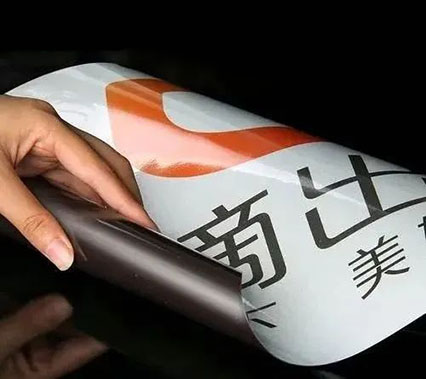
Start peeling at a corner, pulling slowly at a 45-degree angle. This method reduces tearing and leaves less adhesive behind.
If the residue is thick or multi-layered, remove in stages. Apply heat or a safe chemical agent between layers to soften the adhesive gradually.
After removing the adhesive, proper cleaning restores the vinyl’s appearance and prevents future residue buildup.
Regular maintenance prevents adhesive from bonding strongly to vinyl floors, making future removal easier and preserving the longevity of your flooring.
Prevention is always easier than removal. Consider these steps:
Yes, vinegar can help soften mild adhesive, but it may not work on strong solvent-based glues. Always test in a small area first.
No, metal scrapers can easily scratch or damage the vinyl surface. Use plastic or silicone scrapers instead.
Typically 5–10 minutes is sufficient. Follow product instructions and avoid prolonged exposure to prevent vinyl discoloration.
Use a slow peeling technique combined with low heat or safe adhesive removers to preserve the graphics and avoid tearing.
Warm water with mild soap works for water-based adhesives but may not be effective on stronger glues used for permanent floor vinyl.
COPYRIGHT ©2018 Shanghai Hanker Industrial Co., Ltd., ALL RIGHTS RESERVED.

 English
 简体中文
简体中文