 English
 简体中文
简体中文Mastering Self Adhesive Wall Paper: A Complete Application Guide
Self adhesive wall paper has revolutionized interior design by offering homeowners and professionals an accessible way to transform spaces without requiring professional installation. Unlike traditional wallpaper that demands paste, water, and specialized tools, self adhesive vinyl wall covering simplifies the process while delivering professional results. This comprehensive guide explores everything you need to know about applying vinyl wallpaper, from preparation to finishing touches.
Why Choose Self Adhesive Vinyl Wall Covering
Self adhesive vinyl wall covering offers numerous advantages that make it the preferred choice for modern home improvement projects. Unlike conventional wallpaper, this solution eliminates the mess associated with paste and water application.
Key Benefits of Self Adhesive Solutions
- No adhesive paste required, reducing preparation time and cleanup
- Peel-and-stick application suitable for DIY enthusiasts and professionals
- Waterproof wall coverings ideal for kitchens, bathrooms, and moisture-prone areas
- Removable without leaving residue, making it perfect for rental properties
- Durable protection that resists fading, moisture, and wear
Versatile Applications
Whether you're looking to refresh walls cover in living areas or seeking creative solutions for kitchen updates, self adhesive wall paper adapts to various spaces. From accent walls to entire room transformations, and even wallpaper for kitchen cabinets, this material's versatility makes it invaluable for any design project.
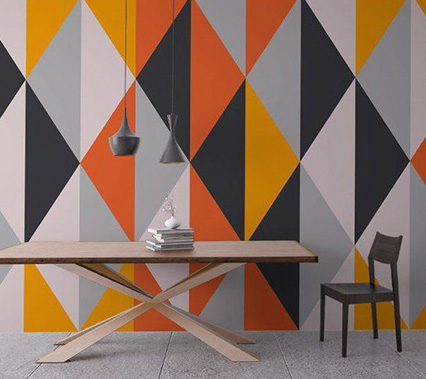
Professional application of self adhesive vinyl wall covering ensures flawless results
Essential Preparation Steps
Proper preparation is the foundation of successful wallpaper application. Skipping preparation steps can result in bubbles, wrinkles, and premature peeling.
Surface Assessment and Cleaning
Begin by evaluating your wall conditions. The surface must be clean, smooth, and dry to ensure optimal adhesion. Remove dust, dirt, and grease using a soft cloth or mild detergent solution. For kitchen areas where waterproof wall coverings will be applied, pay special attention to grease buildup.
Wall Repairs and Priming
Inspect walls for cracks, holes, or uneven surfaces. Fill minor imperfections with spackling compound and sand smooth. For previously painted walls, ensure the paint is in good condition and not peeling. Consider applying a primer on highly absorbent or porous surfaces to create a better adhesive base.
Measuring and Planning
Accurate measurements prevent wasteful cutting and ensure seamless coverage. Measure wall height and width, accounting for windows, doors, and architectural features. Plan your layout to minimize visible seams and ensure pattern alignment if your selected covering features a repeating design.
Tools and Materials You Will Need
Gathering the right tools before starting ensures a smooth, efficient application process.
| Tool/Material | Purpose |
| Measuring Tape | Accurate wall measurements and cutting guides |
| Utility Knife or Rotary Cutter | Precise cutting of vinyl material |
| Squeegee or Smoothing Tool | Removes air bubbles and ensures adhesion |
| Level | Ensures straight, vertical alignment |
| Pencil | Light marking for placement guides |
| Soft Cloth | Cleaning and smoothing without scratching |
| Spray Bottle with Water | Adjusts repositioning during application |
Step-by-Step Application Process
Follow these detailed steps for professional results when applying self adhesive vinyl wall covering to any surface.
Step 1: Establish Your Starting Point
Use a level to draw a vertical guideline where you'll position your first sheet. This ensures vertical alignment and prevents the covering from veering to the side. The guideline should be slightly narrower than your wallpaper width to remain hidden beneath the edge.
Step 2: Cut and Prepare Your First Strip
Measure from ceiling to baseboard, adding 2-3 inches for overlap. Cut your first strip using a utility knife and straightedge. Work on a clean, flat surface to prevent contamination and ensure accurate cuts. Avoid creasing the material during handling.
Step 3: Execute the Peel-and-Stick Application
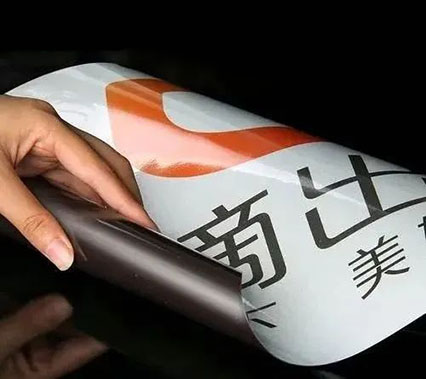
Gently peel back the backing paper from the top 12 inches of your strip. Align the exposed adhesive with your guideline, positioning the top of the strip at the ceiling. Smooth this section firmly with your squeegee using downward strokes to eliminate air pockets. Gradually peel the backing paper as you work downward, continuously smoothing to prevent bubbles.
Step 4: Remove Air Bubbles
If bubbles appear, use a sharp utility knife to carefully pierce them at an angle. Smooth the area with your squeegee, allowing trapped air to escape through the small opening. Small bubbles typically disappear within 24-48 hours as adhesive settles, but larger bubbles require immediate attention.
Step 5: Trim Excess Material
Once the strip is fully applied and smoothed, trim excess material at the ceiling and baseboard using a sharp utility knife and metal straightedge. Use light pressure to avoid damaging the wall beneath. A fresh blade ensures clean cuts.
Step 6: Apply Subsequent Strips
Begin your second strip adjacent to the first, matching any patterns carefully. If repositioning is needed, slowly peel back the vinyl and reapply. Use a spray bottle with water to reactivate adhesive if needed during repositioning, but work quickly as excessive water can compromise the bond.
Specialized Applications: Wallpaper for Kitchen Cabinets
Kitchen cabinet surfaces present unique challenges and opportunities for self adhesive vinyl wall covering. Wallpaper for kitchen cabinets requires additional preparation due to existing finishes and moisture exposure.
Cabinet Surface Preparation
Clean cabinet surfaces thoroughly with degreaser to remove cooking oils and residue. Light sanding with fine-grit sandpaper creates texture for better adhesion. Ensure the surface is completely dry before applying covering. For glossy finishes, sanding is essential to prevent peeling.
Measuring Cabinet Dimensions
Measure each cabinet face, considering door handles, hardware, and hinges. Plan cuts to accommodate these elements. Some installers prefer working around hardware, while others remove it temporarily for seamless coverage.
Waterproof Wall Coverings for Kitchen Spaces
When applying waterproof wall coverings to kitchen areas, choose specifically rated vinyl products designed for moisture resistance. These materials withstand splashes, steam, and humidity better than standard options. Ensure seams are pressed firmly to prevent moisture penetration at edges.
Waterproof Wall Coverings: Ideal for Wet Spaces
Bathrooms, kitchens, and laundry areas demand special consideration. Waterproof wall coverings provide durable solutions where traditional wallpaper would fail.
Advantages in Moisture-Rich Environments
- Resists mold and mildew growth common in humid spaces
- Handles water splashes from sinks, showers, and cooking
- Easy cleaning with damp cloths or mild soap solutions
- Maintains appearance longer in high-moisture environments
Selection Considerations
Not all self adhesive vinyl products offer equal waterproof protection. Look for products specifically labeled as waterproof or moisture-resistant. Vinyl thickness and PVC content affect water resistance. Thicker vinyl generally provides superior moisture protection compared to thinner alternatives.
Common Installation Challenges and Solutions
Even experienced installers encounter obstacles. Understanding solutions ensures successful outcomes.
Bubble Formation
Bubbles result from trapped air during application. Prevent them by working systematically from top to bottom with continuous smoothing. If bubbles appear after installation, pierce with a sharp knife and smooth outward. Most small bubbles resolve independently within days.
Seam Visibility
Visible seams between strips occur from improper alignment or inadequate pressure at edges. Ensure strips butt together tightly without overlapping. Use extra pressure along seam lines with your squeegee. Pattern matching requires careful alignment before final smoothing.
Peeling Edges
Edges peel when adhesive fails due to insufficient surface preparation or inadequate pressure during application. Prevent this by thoroughly cleaning surfaces beforehand and firmly pressing edges with a squeegee. If peeling occurs later, carefully lift the edge and reapply gentle pressure.
Pattern Misalignment
Pattern wallpapers demand precise matching between strips. Measure pattern repeats before cutting. Allow extra material for pattern matching to ensure designs align perfectly across seams. This may increase waste but ensures professional appearance.
Maintenance and Care After Installation
Proper aftercare extends the life of your self adhesive vinyl wall covering and maintains its appearance.
Initial Settling Period
Allow 24-48 hours before exposing newly installed wallpaper to moisture or temperature changes. During this period, adhesive fully cures and bonds completely to the wall surface. Avoid touching, cleaning, or running water in adjacent areas during the initial settling period.
Regular Cleaning
Clean vinyl wall coverings with a soft, damp cloth and mild soap solution. Avoid harsh chemicals or abrasive scrubbers that can damage the surface. For stubborn marks, increase soap concentration slightly but test on inconspicuous areas first.
Moisture Management
While waterproof wall coverings resist moisture, proper ventilation prevents excessive humidity accumulation. Use exhaust fans in bathrooms and kitchens to manage steam and moisture levels.
Professional Installation vs. DIY Application
Both approaches offer distinct advantages depending on your skills and project scope.
DIY Application Benefits
- Significant cost savings by eliminating labor expenses
- Flexible scheduling without contractor coordination
- Personal satisfaction from completing home improvement projects
- Ability to match your pace and perfectionism standards
Professional Installation Benefits
- Expertise handling complex patterns and difficult spaces
- Faster completion, especially for large projects
- Professional-grade tools and materials
- Warranty coverage on workmanship
Frequently Asked Questions
Q1: How long does self adhesive wall paper typically last?
Quality self adhesive vinyl wall covering lasts 5-7 years in normal conditions, with waterproof varieties performing well in moisture-prone areas. Lifespan depends on product quality, installation precision, and environmental factors like humidity and temperature fluctuations.
Q2: Can I apply self adhesive vinyl wall covering over existing wallpaper?
Direct application over existing wallpaper is not recommended. Remove old wallpaper completely to ensure proper surface adhesion. Old wallpaper can peel and compromise your new covering's bond to the wall.
Q3: Is it possible to remove self adhesive wall paper without damaging walls?
Yes, properly installed vinyl covering removes cleanly without leaving residue or wall damage. Gently peel from a corner working slowly across the surface. The non-damaging removal property makes it ideal for rental properties.
Q4: What is the best application temperature for self adhesive vinyl wall covering?
Apply vinyl wallpaper between 50-85 degrees Fahrenheit for optimal adhesive performance. Cold temperatures reduce adhesive effectiveness while excessive heat can cause premature curing and difficult positioning.
Q5: Can waterproof wall coverings be used in direct shower spray areas?
While waterproof, vinyl coverings should not be applied in direct shower spray zones where constant water contact occurs. Reserve waterproof applications for splash zones and areas away from direct water spray to ensure longevity.
Q6: How do I handle wallpaper for kitchen cabinets around handles and hardware?
Measure carefully around handles and either cut openings or work around existing hardware. Removing hardware temporarily allows seamless coverage but requires reinstallation. Cutting around hardware preserves existing installation while accommodating the covering.