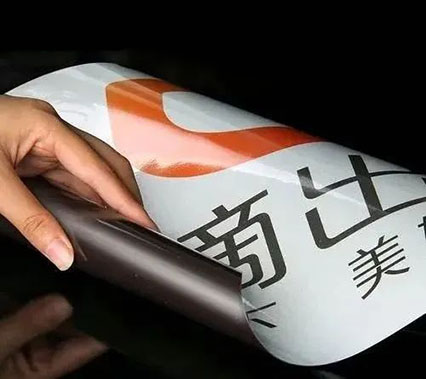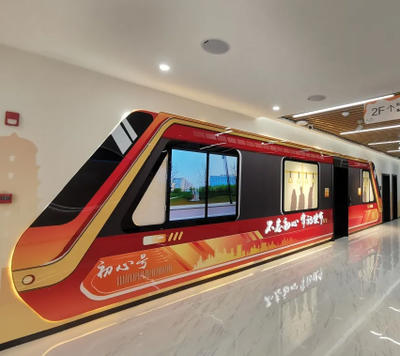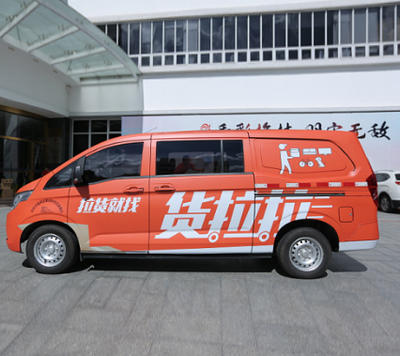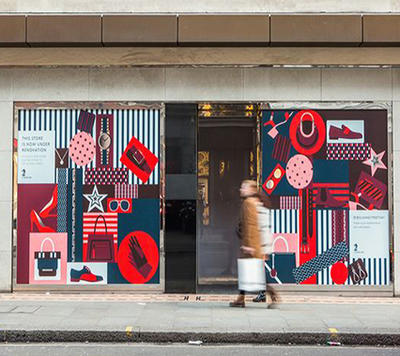
When choosing fluorescent vinyl film, the most important decision is whether to use cast or calendered material. The short answer: cast vinyl outperforms calendered vinyl in durability, conformability, and color retention, making it the preferred choice for demanding or long-term applications. Calendered vinyl, however, remains a cost-effective solution for flat surfaces and short-term projects.
Fluorescent vinyl film is a type of fluorescent color vinyl that absorbs ultraviolet and visible light and re-emits it as a brighter, more vivid color. This optical effect makes fluorescent colors appear to "glow" even in daylight, providing significantly higher visibility than standard colors.
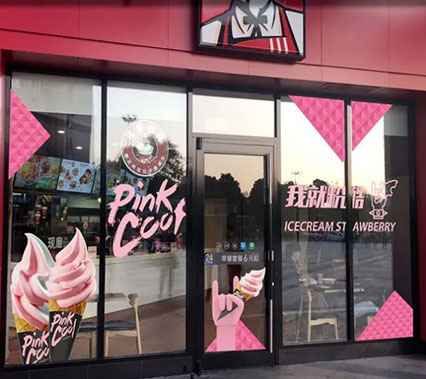
Fluorescent vinyl is widely used in safety signage, vehicle graphics, advertising displays, sports equipment markings, and high-visibility apparel applications. The film is available in colors such as yellow-green, orange, pink, red, and lime — all engineered to maximize contrast and visual impact.
Understanding the production process explains why these two types of vinyl perform so differently in real-world applications.
Cast vinyl is made by spreading a liquid PVC compound onto a casting sheet, then slowly drying it in a controlled oven environment. This process allows the material to form without internal stress. The result is a film that is typically 2–3 mil thick, dimensionally stable, and highly conformable. Because the molecules are not forced into alignment, the film relaxes naturally and resists shrinkage over time.
Calendered vinyl is produced by pressing a semi-molten PVC compound through a series of heated rollers to achieve the desired thickness. This mechanical stretching introduces residual stress into the material. Calendered films are typically 3–4 mil thick and tend to have a natural "memory" that causes them to shrink back toward their original shape, especially under heat or UV exposure.
The table below summarizes the most critical performance differences between the two film types for fluorescent applications:
| Property | Cast Fluorescent Vinyl | Calendered Fluorescent Vinyl |
| Thickness | 2–3 mil | 3–4 mil |
| Outdoor Durability | 5–7 years | 2–4 years |
| Shrinkage Resistance | Excellent | Moderate |
| Conformability (curves/rivets) | High | Low to Moderate |
| Color Brightness Retention | Long-term stable | Fades faster under UV |
| Cost | Higher | Lower |
| Best Use | Vehicle wraps, complex surfaces | Flat signs, indoor displays |
Fluorescent pigments are inherently more susceptible to UV degradation than standard pigments because their light-reactive molecules break down under prolonged sun exposure. This makes the choice of vinyl base material especially critical for outdoor applications.
Cast fluorescent vinyl typically maintains acceptable color brightness for 5–7 years in outdoor conditions when paired with a UV-protective overlaminate. Calendered fluorescent vinyl, by contrast, often shows noticeable fading within 2–3 years under the same conditions. For highway safety signs, emergency vehicle markings, or construction zone graphics, cast vinyl is the appropriate specification.
For indoor point-of-purchase displays, event signage, or temporary promotions with a lifespan under 12 months, calendered fluorescent vinyl provides adequate performance at a significantly lower cost.
Conformability refers to a vinyl film's ability to stretch and adhere smoothly over uneven, curved, or textured surfaces without lifting, wrinkling, or bubbling.
Cast fluorescent vinyl can elongate by up to 200–300% before breaking, allowing it to wrap tightly around vehicle body panels, riveted truck trailers, corrugated signs, and compound curves. This is essential for full-vehicle fluorescent wraps used on emergency response vehicles, where seamless coverage is both a safety requirement and a professional standard.
Calendered fluorescent vinyl has significantly lower elongation tolerance — typically under 100% — making it unsuitable for curved or recessed surfaces. Forcing it over complex shapes often results in edge lifting and premature failure at stress points.
The brightness of a fluorescent vinyl film depends on both the quality of the fluorescent pigments used and the clarity of the base PVC compound. Cast vinyl manufacturing, because it avoids mechanical stress and uses purer compounds, generally results in a cleaner, more optically transparent base that allows fluorescent pigments to perform at their maximum intensity.
The calendering process, due to higher processing temperatures and mechanical forces, can slightly reduce pigment performance or introduce minor haze into the base material. While this difference may be subtle when the film is new, it becomes more pronounced as the film ages and UV degradation sets in.
For applications where maximum color impact is critical — such as safety markings on work zones, school buses, or high-speed transport vehicles — cast fluorescent vinyl ensures the highest initial brightness and the slowest rate of color fade.
Regardless of whether you choose cast or calendered, proper installation practice significantly affects the final result and service life of the film:
Cast fluorescent vinyl typically costs 30–60% more per square meter than equivalent calendered film. However, this cost difference is often offset over the lifespan of the installation:
For flat indoor signage replaced seasonally, calendered film is the economically sound choice. For any outdoor, safety, or vehicle application, cast vinyl delivers better long-term value.
Cast vinyl is made by pouring liquid PVC onto a casting sheet, producing a thinner, more stable, and more conformable film. Calendered vinyl is mechanically rolled, resulting in a thicker, stiffer material with lower durability and conformability.
Cast fluorescent vinyl lasts approximately 5–7 years outdoors with UV overlaminate. Calendered fluorescent vinyl typically lasts 2–4 years before noticeable fading occurs.
Yes, but only cast fluorescent vinyl is suitable for full vehicle wraps due to its high elongation and conformability. Calendered vinyl is not recommended for curved vehicle surfaces.
For outdoor applications, a UV-resistant overlaminate is strongly recommended. It protects the fluorescent pigments from UV degradation and can extend usable color life by 1–3 years.
Yes. For flat indoor surfaces such as retail displays, event signage, and trade show graphics, calendered fluorescent vinyl performs well and offers a cost advantage over cast film.
The most widely available fluorescent vinyl colors are yellow-green, orange, pink, red, and lime. Yellow-green and orange are most commonly used in safety and traffic applications due to their high daylight visibility.
COPYRIGHT ©2018 Shanghai Hanker Industrial Co., Ltd., ALL RIGHTS RESERVED.
 English
 简体中文
简体中文