Hot vs. Cold Lamination: What's the Difference?
Hot vs. Cold Lamination: The Core Difference at a Glance
Hot lamination uses heat (typically 80–150°C) and pressure to bond a plastic film to a document, while cold lamination relies on a pressure-sensitive adhesive — no heat required. If you need to protect heat-sensitive materials like photos, inkjet prints, or specialty papers, cold lamination is the safer and often more practical choice. For high-volume office documents on standard paper, hot lamination delivers a durable, tight seal efficiently.
The choice between the two methods comes down to your material type, finish requirements, equipment availability, and intended use environment.
How Hot Lamination Works
Hot lamination feeds a document through a heated roller machine. The heat activates a glue layer on the inner surface of the laminating pouch or roll film, which then fuses permanently to the substrate under pressure.
- Operating temperature range: 80°C to 150°C, depending on film thickness and machine model
- Common film thicknesses: 75 microns, 100 microns, 125 microns, 250 microns
- Typical applications: ID cards, menus, certificates, office documents, maps
- Result: A very firm, glossy or matte surface with excellent edge-to-edge adhesion
Hot lamination provides a stronger physical bond than cold methods, making it suitable for items that will be handled frequently or exposed to moisture. However, the heat can cause toner-based prints to smear, warp thin paper, or damage heat-reactive inks — a critical limitation to keep in mind.
How Cold Lamination Works
Cold lamination does not require any heat. The film carries a pre-applied pressure-sensitive adhesive (PSA) that bonds to the substrate simply through firm, even pressure — either from a manual roller or a cold laminator machine.
- No warm-up time needed — ready to use immediately
- Works safely on photos, inkjet prints, vinyl banners, backlit films, and specialty substrates
- Available in gloss, matte, satin, anti-scratch, and textured finishes
- Can be applied manually without a machine for small-format projects
The cold laminating film adheres at room temperature, which makes it ideal for protecting materials that would be damaged or distorted by heat. It also allows repositioning during application, giving users more control and reducing costly mistakes.
Side-by-Side Comparison: Hot vs. Cold Lamination
| Feature | Hot Lamination | Cold Lamination |
| Heat Required | Yes (80–150°C) | No |
| Bond Type | Thermal adhesive | Pressure-sensitive adhesive (PSA) |
| Warm-up Time | 3–5 minutes typical | None |
| Safe for Photos/Inkjet | Risk of damage | Yes, fully safe |
| Finish Options | Gloss, matte | Gloss, matte, satin, textured, anti-scratch |
| Adhesion Strength | Very strong, permanent | Strong; some films allow repositioning |
| Equipment Needed | Hot laminator machine | Cold laminator or manual roller |
| Typical Applications | Documents, menus, ID cards | Photos, signage, banners, fine prints |
| Cost per Run | Lower for high volume | Slightly higher per sheet; less waste |
When to Choose Cold Lamination
Cold lamination is the right choice in several specific situations where heat would cause problems or where precision matters more than speed.
Heat-Sensitive Substrates
Inkjet-printed photos, fine art reproductions, and dye-sublimation prints can blister, smear, or discolor when exposed to laminator heat. Cold lamination eliminates this risk entirely, preserving color accuracy and surface quality.
Large-Format and Signage Applications
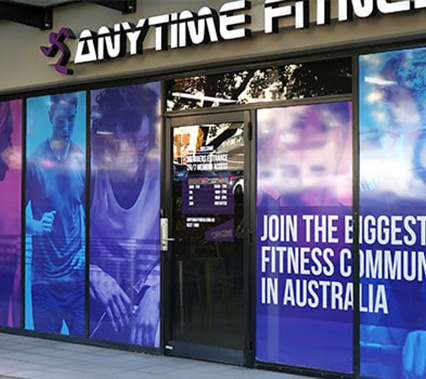
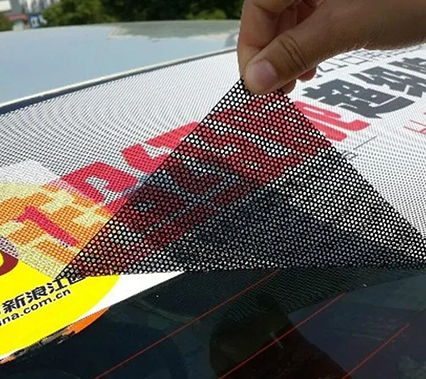
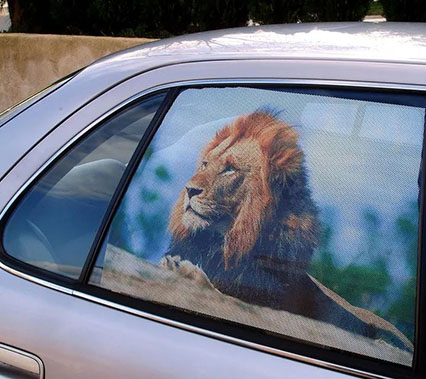
Cold lamination is standard practice in the wide-format printing industry. Vinyl banners, trade show graphics, window decals, and backlit displays are all routinely finished with cold laminating film because the film can be applied evenly across large surfaces without heat-related distortion.
Repositionable Applications
Some cold laminating films are designed with a low-tack, repositionable adhesive. This is especially useful for temporary signage, point-of-sale displays, or situations where alignment needs to be adjusted before final commitment.
Environments Without Power Access
Manual cold lamination using a hand roller requires no electricity. For field use, pop-up shops, or remote locations, this is a significant practical advantage.
When to Choose Hot Lamination
Hot lamination remains the preferred method for high-volume document protection in office and print-shop environments.
Standard Paper Documents
For laminating laser-printed documents, certificates, menus, or ID cards on standard 80–120 gsm paper, hot lamination delivers a firm, bubble-free bond with consistent results at high throughput — often processing 30–60 documents per minute on commercial machines.
Durability Requirements
The thermally activated adhesive in hot lamination typically creates a stronger mechanical bond than pressure-sensitive adhesive. For items that will be folded, bent, or handled intensively — such as luggage tags, membership cards, or instruction placards — hot lamination provides superior edge seal and delamination resistance.
Cost Efficiency at Scale
Hot lamination film rolls are generally lower in unit cost compared to cold laminating films, making the method more economical when processing hundreds or thousands of documents regularly.
Key Properties of Cold Laminating Film
Cold laminating films are engineered with a multi-layer structure: a transparent plastic face film (usually PET or BOPP), a pressure-sensitive adhesive layer, and a silicone-coated release liner. The specific properties vary by product grade.
- Face film thickness: Typically ranges from 30 to 125 microns; thicker films provide more rigidity and scratch resistance
- Adhesive type: Solvent-based, water-based, or UV-curable PSA; each affects clarity, longevity, and chemical resistance
- Finish surface: High-gloss finishes enhance color vibrancy; matte and satin finishes reduce glare for display environments
- UV protection: Many cold laminating films include UV-absorbing additives that extend the life of prints exposed to sunlight by up to 3–5 times compared to unlaminated prints
- Temperature resistance: Cold-applied films generally remain stable between -20°C and 80°C, suitable for most indoor and outdoor display conditions
Common Mistakes to Avoid
Understanding which lamination method to use is important, but correct technique matters just as much for achieving a clean, professional result.
- Using hot lamination on inkjet prints: Heat can cause ink bleeding or surface blistering. Always verify that your print type is compatible before using thermal film.
- Applying cold film to a dusty or oily surface: PSA adhesives will trap particles or fail to bond properly. Clean and dry the substrate thoroughly before application.
- Using incorrect film thickness for the laminator: Each machine has a rated film thickness range. Using film outside that range causes jams, uneven bonding, or roller damage.
- Not trimming edges after lamination: Unsealed or uneven edges on cold-laminated pieces can peel over time. Trimming cleanly after application improves durability.
- Skipping a test run: Always laminate a test sheet — especially with cold film on a new substrate — before committing to a full production run.
FAQ
Can cold lamination be used outdoors?
Yes. Many cold laminating films are formulated for outdoor use with UV-resistant coatings and weatherproof adhesives. Check the product specifications for outdoor durability ratings before use.
Is cold lamination as durable as hot lamination?
For most display and protective applications, cold lamination provides comparable durability. Hot lamination has a slight edge in edge-seal strength for heavily handled documents, but cold lamination is preferred for photo and fine-print protection.
Can I apply cold laminating film by hand without a machine?
Yes. Small-format cold laminating films can be applied using a hand squeegee or rubber roller. For large formats, a cold laminator machine ensures consistent pressure and a bubble-free result.
What thickness of cold laminating film should I use?
For flexible applications like banners or signage, 30–75 microns is standard. For rigid card-like results, 100–125 micron films are appropriate. Thicker films offer more scratch protection but reduce flexibility.
Will cold lamination yellow over time?
High-quality cold laminating films with UV stabilizers resist yellowing for years. Lower-grade films without UV protection may show yellowing when exposed to sunlight over 12–24 months.
Can I write on a cold-laminated surface?
Standard glossy cold lamination is not writable. If you need a writable surface, select a cold laminating film with a matte or write-on finish specifically designed for this purpose.