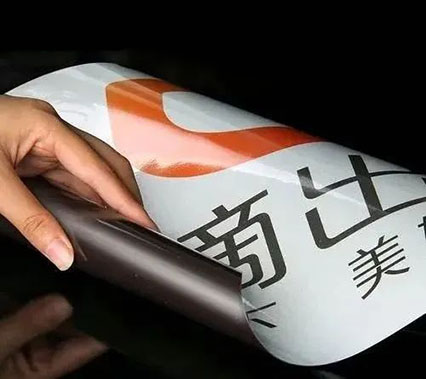
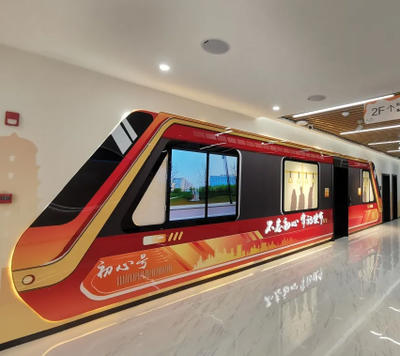
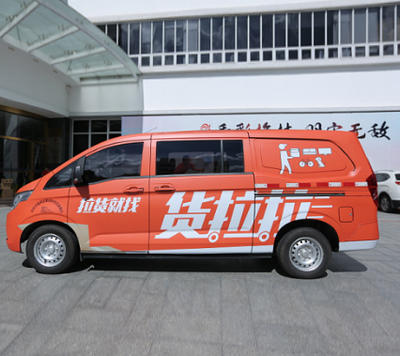
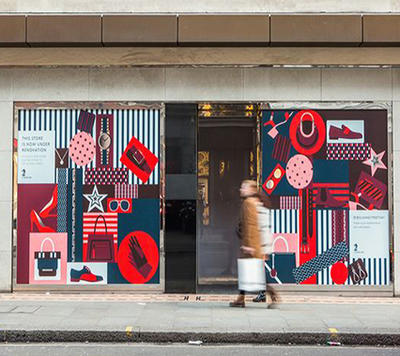
DPI digital printing flex banners have become an essential tool for businesses, event organizers, and advertisers seeking visually striking promotional displays. They provide flexibility, high-quality imaging, and cost-effective marketing solutions. However, one critical decision that buyers often face is whether to choose indoor or outdoor DPI digital printing flex banners. This choice impacts not only the visual quality and durability but also the overall return on investment for any advertising campaign.
A DPI digital printing flex banner refers to a large-format printed media made from flexible materials such as PVC, vinyl, or mesh, which is designed to display high-resolution graphics. The term “DPI” (dots per inch) indicates the resolution of the printing, which directly affects the clarity and detail of images and text on the banner. High DPI digital printing ensures sharp visuals, vibrant colors, and smooth gradients, making it suitable for a wide range of applications, from indoor events to outdoor promotions.
Key features of DPI digital printing flex banners include:
Understanding these features helps buyers select the right type of banner based on their marketing goals and environmental conditions.
One of the primary distinctions between indoor and outdoor DPI digital printing flex banners lies in their material composition. Material selection directly affects durability, appearance, and suitability for different environments.
Indoor banners are generally made from lightweight PVC or satin-finished flex materials. These materials are designed to provide excellent print quality, vivid colors, and smooth textures, which are particularly important for close-up viewing. Since indoor banners are not exposed to harsh environmental conditions, they do not require heavy reinforcement or UV stabilization.
Characteristics of indoor banners:
Outdoor banners are engineered to withstand environmental stress, including sunlight, wind, rain, and dust. These banners are typically made from heavier PVC or mesh materials, often with reinforced edges and grommets for secure installation. UV-resistant coatings are applied to prevent fading, while waterproof treatments ensure longevity in wet conditions.
Characteristics of outdoor banners:
The choice between indoor and outdoor materials significantly impacts the overall longevity and performance of a DPI digital printing flex banner, making it critical for buyers to consider their intended usage environment.
While the term DPI refers to the printing resolution, the required DPI may differ between indoor and outdoor banners due to viewing distance and environmental factors.
Indoor banners are often viewed from close distances, making high-resolution printing essential. A DPI digital printing flex banner for indoor use typically employs higher DPI settings to ensure that fine details, text, and logos are sharp and legible. Because indoor environments are controlled, there is less risk of fading or damage, so printing techniques can prioritize color fidelity and clarity.
Outdoor banners are generally viewed from a distance, such as across streets, stadiums, or exhibition grounds. Therefore, while high resolution is still desirable, it is less critical than for indoor banners. Outdoor banners often focus on visibility, contrast, and durability rather than fine detail. Printing may incorporate UV-resistant inks to prevent sun-related fading, and solvent-based inks to withstand exposure to rain and wind.
Summary of printing considerations:
| Feature | Indoor DPI Digital Printing Flex Banner | Outdoor DPI Digital Printing Flex Banner |
|---|---|---|
| Viewing distance | Close-up | Medium to long distance |
| Required DPI | High | Moderate |
| Ink type | Eco-solvent, dye-based | UV-resistant, solvent-based |
| Durability priority | Less critical | Very critical |
| Color fidelity | High priority | Moderate, with focus on contrast |
This table highlights how printing strategies differ based on intended usage and environmental exposure.
Durability is another major differentiator between indoor and outdoor DPI digital printing flex banners. Buyers must assess how long the banner is expected to perform effectively in its environment.
Indoor banners are designed for temporary or semi-permanent installations. Since they are not exposed to extreme weather or UV light, they generally maintain their visual quality for 1–3 years, depending on usage and care. Indoor banners may be stored or reused multiple times due to their flexible and lightweight construction.
Outdoor banners must withstand sun, wind, rain, and pollution, which can accelerate material degradation. To address these challenges, outdoor banners are manufactured with reinforced edges, UV stabilizers, and waterproof coatings. Properly designed and installed outdoor DPI digital printing flex banners can last 1–2 years or longer, depending on environmental conditions and maintenance.
Durability considerations for buyers:
The method of displaying a DPI digital printing flex banner varies based on whether it is intended for indoor or outdoor use.
Indoor banners are typically lightweight and easy to install using hanging systems, wall mounts, or retractable stands. Their flexibility allows for quick setup at trade shows, conferences, retail displays, and events. Because weight and wind resistance are minimal concerns, indoor banners often prioritize portability and ease of handling.
Outdoor banners require more robust installation methods to withstand environmental forces. They are often mounted on poles, fences, or building facades using reinforced grommets, ropes, or tensioning systems. In some cases, mesh banners are used to reduce wind load and prevent tearing. Proper installation is crucial to prevent damage and ensure the banner remains visually effective for its expected lifespan.
Key installation differences:
Cost differences between indoor and outdoor DPI digital printing flex banners are influenced by materials, printing techniques, and durability features.
Indoor banners are generally less expensive due to lighter materials, simpler finishing, and shorter expected lifespan. They are cost-effective for temporary displays and promotional campaigns with a limited timeframe.
Outdoor banners typically cost more because they require reinforced materials, UV-resistant inks, and weatherproof coatings. Additional installation accessories, such as grommets or tensioning systems, also contribute to higher costs. Despite the higher initial investment, outdoor banners provide a longer service life and increased visibility in demanding environments, making them a worthwhile investment for long-term campaigns.
The visual impact of a DPI digital printing flex banner depends heavily on its intended environment.
Indoor banners allow for detailed graphics and subtle color gradients because viewers can examine them up close. Designers can incorporate intricate patterns, fine text, and complex logos without concern for environmental fading. Indoor banners often serve as key branding elements, drawing attention in exhibitions, stores, or events.
Outdoor banners prioritize high-contrast visuals, bold fonts, and large graphics to ensure legibility from a distance. The emphasis is on quick readability and durability rather than intricate detail. Effective outdoor banner designs often use bright colors and simple layouts to capture attention in crowded or dynamic environments.
Maintenance requirements differ based on banner type:
Maintenance highlights:
Sustainability is becoming increasingly important in the banner printing industry. Both indoor and outdoor banners can be produced using eco-friendly inks and recyclable materials, but outdoor banners generally require additional chemical treatments for UV and water resistance, which can impact environmental considerations. Buyers may choose indoor banners for smaller, short-term campaigns to reduce environmental impact, while outdoor banners often balance durability with responsible material selection.
Choosing between indoor and outdoor DPI digital printing flex banners requires careful consideration of several factors, including material composition, printing resolution, durability, installation methods, cost, and design. Indoor banners prioritize high-resolution visuals and portability, making them ideal for exhibitions, retail spaces, and close-range viewing. Outdoor banners focus on durability, weather resistance, and visibility from a distance, making them suitable for streets, stadiums, and large outdoor events.
By understanding these differences, buyers and manufacturers can make informed decisions to ensure their DPI digital printing flex banners meet both visual and functional requirements, ultimately enhancing brand presence and marketing effectiveness.
COPYRIGHT ©2018 Shanghai Hanker Industrial Co., Ltd., ALL RIGHTS RESERVED.

 English
 简体中文
简体中文