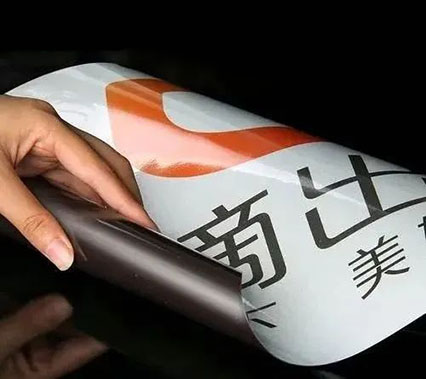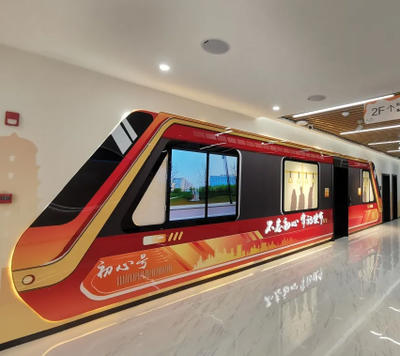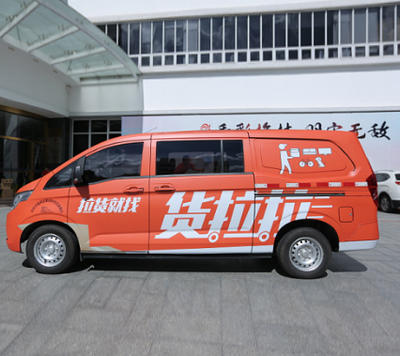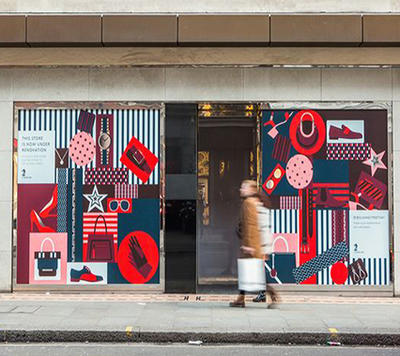
Floor graphics for retail and events have become an increasingly important tool in modern marketing and event design. They are widely used to guide customers, enhance brand visibility, and create interactive experiences in both commercial and public spaces. While the general concept remains the same, the application of floor graphics for retail and events can vary significantly between indoor and outdoor environments.
Floor graphics for retail and events are visual graphics applied directly to floor surfaces. Their purpose extends beyond mere decoration; they serve as directional guides, promotional elements, and interactive engagement tools. The design, material, and installation method are carefully selected based on the intended environment and traffic conditions.
In indoor settings, floor graphics for retail and events often emphasize brand promotion, seasonal campaigns, or navigational assistance within retail stores, airports, exhibition halls, and event venues. Outdoor applications, however, face unique challenges such as exposure to weather, sunlight, and uneven surfaces, which demand specific materials and installation techniques to maintain performance over time.
Indoor floor graphics for retail and events typically experience controlled conditions, including consistent temperature, humidity, and limited direct sunlight. As a result, the selection of materials can prioritize visual appeal and design flexibility over extreme durability. Materials such as PVC, PET, and vinyl are common, allowing for high-resolution printing and customizable shapes.
Outdoor floor graphics for retail and events, in contrast, must withstand fluctuating temperatures, precipitation, UV exposure, and abrasive surfaces such as concrete or asphalt. Weather-resistant laminates, anti-slip coatings, and UV-stable inks are critical for preserving color and preventing deterioration. The environmental demands make outdoor installations more complex and resource-intensive.
The durability requirements for indoor and outdoor floor graphics for retail and events differ significantly. Indoor graphics generally experience moderate foot traffic and are less exposed to cleaning chemicals, allowing for a lifespan ranging from several months to over a year. Outdoor graphics must resist heavy pedestrian or vehicular traffic, mechanical wear, and environmental factors, often necessitating reinforced adhesives and protective overlays.
Maintenance routines also vary. Indoor graphics can be cleaned using mild detergents or standard floor-cleaning equipment. Outdoor graphics require more robust cleaning strategies, including pressure washing and UV protection treatments, to maintain appearance and adhesion.
Material choice is one of the most important factors distinguishing indoor and outdoor floor graphics for retail and events. The table below summarizes common materials and their suitability:
| Material | Indoor suitability | Outdoor suitability | Key features |
|---|---|---|---|
| PVC | High | Moderate | Smooth surface, easy to print, flexible |
| PET | High | High | Durable, chemical-resistant, suitable for heavy traffic |
| Vinyl | High | High | Versatile, weather-resistant, printable with high resolution |
| Laminate overlay | Optional | High | Protects against abrasion and UV exposure |
Proper material selection ensures both safety and longevity, reducing the need for frequent replacements and enhancing the overall visual impact.
Adhesive performance and installation techniques differ between indoor and outdoor applications. Indoor floor graphics for retail and events often utilize removable or repositionable adhesives, which allow for temporary campaigns or seasonal promotions. Installation is relatively straightforward, typically requiring clean, smooth surfaces.
Outdoor graphics demand strong, permanent adhesives to withstand wind, moisture, and temperature variations. Surface preparation may include roughening, cleaning, and priming the installation area. In some cases, mechanical fastening or additional protective layers are used to ensure adhesion on textured surfaces.
Both indoor and outdoor floor graphics for retail and events must meet safety standards. Indoor graphics focus on slip-resistance and trip hazard prevention, ensuring compatibility with floor cleaning procedures. Outdoor graphics additionally need to comply with local regulations regarding weatherproofing, pedestrian safety, and traffic interaction. Anti-slip coatings and reflective finishes are commonly incorporated in outdoor applications to enhance visibility and reduce accidents.
The visual and functional design of indoor and outdoor floor graphics for retail and events also differs:
The design process must account for the intended traffic flow, environmental exposure, and marketing objectives. This ensures that graphics not only convey information but also enhance the overall customer experience.
Cost is influenced by material choice, durability requirements, and installation complexity. Indoor floor graphics for retail and events generally incur lower costs due to shorter lifespan and simpler installation. Outdoor graphics often require higher-quality materials, advanced adhesives, and protective laminates, leading to increased investment. However, the longer-term durability and impact justify the expense for high-traffic or long-term outdoor campaigns.
| Factor | Indoor graphics | Outdoor graphics |
|---|---|---|
| Material cost | Moderate | High |
| Installation complexity | Low | High |
| Lifespan | Months to 1 year | 1–3 years or more |
| Maintenance | Simple cleaning | Frequent inspection and cleaning |
| Durability | Moderate | High, weather-resistant |
Indoor floor graphics for retail and events are widely used in retail stores for product promotion, seasonal campaigns, and guiding customers to specific sections. Airports, exhibition centers, and museums also utilize floor graphics to enhance wayfinding and improve visitor engagement.
Outdoor applications include event entrances, pedestrian zones, trade show exteriors, and sidewalks leading to retail locations. The primary focus is maintaining visibility and structural integrity despite environmental stressors. The combination of durable materials, strong adhesives, and anti-slip treatments ensures that outdoor graphics remain functional and safe for extended periods.
While the fundamental purpose of floor graphics for retail and events remains consistent—enhancing engagement, guiding visitors, and promoting brands—the differences between indoor and outdoor applications are significant. Environmental exposure, durability, material selection, installation methods, safety considerations, and cost factors all influence the effectiveness and longevity of floor graphics.
Q1: Can indoor floor graphics for retail and events be reused outdoors?
A1: Generally, no. Indoor graphics are not designed to withstand weather exposure and may deteriorate quickly if used outdoors.
Q2: What is the average lifespan of outdoor floor graphics for retail and events?
A2: Depending on traffic and environmental conditions, outdoor graphics typically last between 1–3 years when properly installed and maintained.
Q3: Are anti-slip coatings mandatory for outdoor floor graphics for retail and events?
A3: While not always mandatory, anti-slip coatings are strongly recommended to reduce the risk of accidents and comply with safety regulations.
Q4: Can floor graphics for retail and events be customized for special events?
A4: Yes, both indoor and outdoor graphics can be fully customized in terms of size, design, and messaging to match specific campaign objectives.
Q5: How often should outdoor floor graphics for retail and events be inspected?
A5: Inspections should be performed regularly, ideally monthly, to check for damage, fading, or peeling that could compromise safety and visual appeal.
COPYRIGHT ©2018 Shanghai Hanker Industrial Co., Ltd., ALL RIGHTS RESERVED.
 English
 简体中文
简体中文