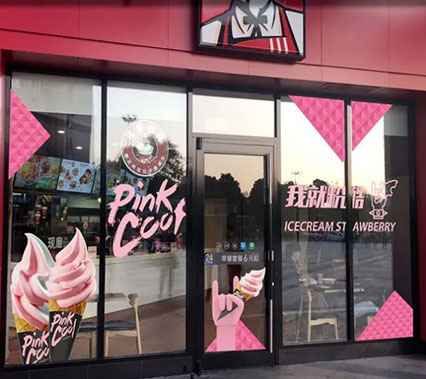
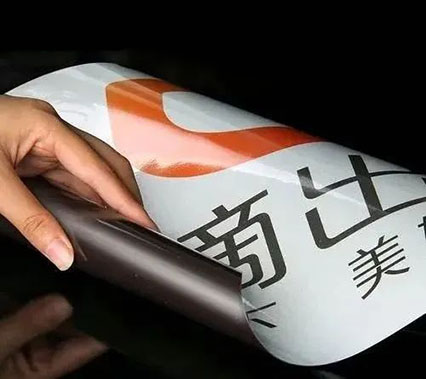
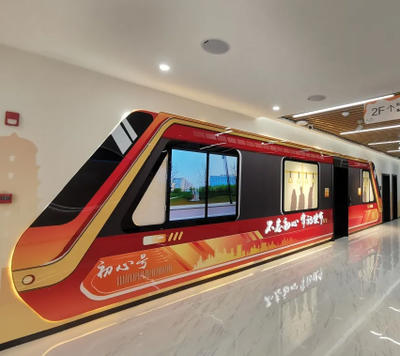
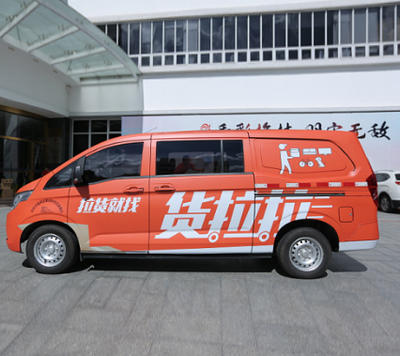
Digital flex banners produced via dpi digital printing flex banner technologies have become ubiquitous in outdoor advertising, retail displays, exhibition graphics, and architectural signage. These media are expected to deliver consistent visual performance, durability under diverse environmental conditions, and efficient serviceability throughout their lifecycle. As deployment scales and application complexity grow, the maintenance of high‑dpi flex banners transitions from a technical detail to a systems requirement.
A systems engineering approach frames the maintenance process as an interaction between multiple technical domains:
By understanding these domains holistically, organizations reduce lifecycle costs, improve uptime, and sustain image integrity across deployment environments.
The first foundational step in flex banner maintenance is understanding the material system that supports high‑dpi printing. The banner substrate, ink system, and coating layers together determine how well a printed output resists fading, cracking, and physical wear.
Flex banners typically use polymeric fabrics or film substrates engineered to provide mechanical strength, flexibility, and surface uniformity. In high‑dpi printing, the substrate’s texture and porosity influence dot placement accuracy and ink absorption.
Key substrate attributes include:
Inks for dpi digital printing flex banner applications are formulated for outdoor durability. They contain pigments and binders optimized to resist environmental stressors.
When considering maintenance:
A critical phase in maintaining high‑dpi flex banners begins well before installation: the prepress workflow. Engineers and technicians must ensure that digital files are prepared and that printing systems are calibrated to produce repeatable results.
Color accuracy is essential in many applications, especially corporate and wayfinding signage. A disciplined color management workflow includes:
These practices minimize artifacts and ensure that comparative visual inspection over time remains meaningful.
High‑dpi output depends on the mechanical and electrical integrity of the printing system:
Routine diagnostics and scheduled maintenance reduce the frequency of quality degradation that would otherwise require field replacement of printed media.
After production, flex banners are typically deployed in environments that can include sun, wind, rain, particulate matter, and mechanical stress.
Ultraviolet light induces molecular changes in pigments and substrates that manifest as:
These factors degrade high‑dpi printed images over time.
Protective practices include:
| Environmental Factor | Effect on Flex Banner | Risk Level | Recommended Mitigation |
|---|---|---|---|
| UV radiation | Color fade, embrittlement | High | UV‑block coatings, orientation management |
| Moisture (rain/humidity) | Ink washout, mold growth | Medium | Proper drainage and material selection |
| Particulates (dust/sand) | Surface abrasion | Medium | Regular cleaning schedules |
| Wind stress | Tears, structural strain | High | Reinforced edges, tensioning systems |
Moisture and thermal cycling contribute to dimensional changes in the material substrate. Over time:
Best practices include:
The installation process defines how well a flex banner performs under real‑world stressors. Poor installation can undermine even the best materials and printing quality.
Banner retention systems (e.g., rails, frames, tension cables) must be engineered to:
An engineering review of mounting structures is a prerequisite for long service life.
Flexible banners are often used:
Appropriate edge treatments paired with fastening strategies reduce:
Engineering guidance ensures that high‑dpi imagery is not compromised by mechanical failure.
Once installed, systematic inspection and monitoring are essential for early detection of degradation and timely corrective action.
Effective visual inspection includes:
An inspection regime enables trend analysis and predictive maintenance planning.
Where possible, integrating quantitative tools enhances objectivity:
These tools complement visual observations and support data‑driven decision‑making.
Effective maintenance extends beyond detection — it requires structured corrective and preventive workflows.
When degradation is detected, corrective action may involve:
Decision frameworks should balance cost, downtime, and specifications for aesthetic and functional requirements.
Preventive maintenance reduces unplanned failures and can include:
Structured preventive processes enhance system resilience and extend banner lifetimes.
Maintenance effectiveness directly influences the total cost of ownership (TCO). High‑dpi flex banners with rigorous maintenance protocols often demonstrate:
Decision‑makers should evaluate maintenance strategies alongside lifecycle cost models to optimize resource allocation.
Below are illustrative scenarios where maintenance practices are applied in different contexts. These are generalized examples intended for approach comparison rather than specific deployments.
Challenges:
Applied Practices:
Challenges:
Applied Practices:
Challenges:
Applied Practices:
Modern maintenance practices benefit from integration with digital asset management (DAM) and enterprise resource planning (ERP) systems. Tracking:
supports analytical assessment of system performance and informs continuous improvement initiatives.
Maintenance practices should align with applicable industry standards for outdoor signage, environmental safety, and materials handling. Although specific standards vary by jurisdiction, the principles of documentation, inspection, and safety are universal.
Alignment with compliance frameworks reduces risk and supports contractual and regulatory obligations.
Maintaining high‑dpi flex banners is a multi‑domain engineering challenge involving:
A systems engineering approach enables organizations to sustain performance, control costs, and support predictable outcomes over the lifecycle of dpi digital printing flex banner deployments.
Q1: What makes high‑dpi important for flex banners?
A: Resolution at high dpi improves detail rendering and readability at close viewing distances. A consistent high dpi profile also supports color accuracy and repeatability across media batches.
Q2: How often should high‑dpi flex banners be inspected?
A: Inspection frequency depends on environmental exposure and operational criticality; many organizations adopt quarterly visual inspections supplemented by annual quantitative measurements.
Q3: Can maintenance extend the life of a banner beyond original expectations?
A: Yes. Proper environmental mitigation, installation integrity, and preventive maintenance can significantly delay the need for full replacement compared to unmanaged deployments.
Q4: Is digital workflow integration necessary for maintenance?
A: While not strictly necessary, integration with asset management systems enhances traceability, supports data‑driven decisions, and reduces human error.
Q5: What tools support quantitative condition assessment?
A: Colorimeters, tensile testers, environmental sensors, and calibrated inspection checklists help quantify degradation trends and support maintenance decisions.
COPYRIGHT ©2018 Shanghai Hanker Industrial Co., Ltd., ALL RIGHTS RESERVED.

 English
 简体中文
简体中文